
Most homeowners guess their broken window will cost around $100 to fix, then get hit with a $400 invoice and wonder what happened. The gap between expectation and reality comes down to factors you can’t see in a quick glance: seal failure, frame damage, specialty glass requirements, and labor complexity. This guide walks you through actual 2025 pricing for every window type and configuration, breaks down what drives costs up or down, and shows you exactly how to get accurate local quotes so there are no surprises when the bill arrives.
What You’ll Pay for Window Glass Repair in 2025
Most broken window repairs fall between $100 and $800 per window, with a national average of $392. If you’re dealing with a cracked pane or broken seal right now, expect to spend somewhere in the $150 to $400 range for standard professional service.
Labor makes up a big chunk of that total. Professional glaziers typically charge $75 to $200 per window for straightforward repairs, or bill hourly at $100 to $150 with a one-hour minimum. A DIY approach can drop costs dramatically if you’re comfortable with basic repairs. Materials for simple fixes like replacing sash cords or resealing tracks run around $35 to $50, while the same professional repair costs $200 to $600. The DIY route makes financial sense for hardware swaps and basic caulking, but broken glass and seal work require professional tools and knowledge.
Emergency repairs carry a premium that can quickly double or triple standard rates. If you need a broken window secured tonight or over the weekend, budget for that 2x to 3x multiplier on labor costs.
| Repair Type | DIY Materials Cost | Standard Professional Cost | Emergency Service Cost |
|---|---|---|---|
| Minor caulking/sealing | $20-$50 | $50-$150 | $100-$300 |
| Single pane replacement | $35-$75 | $150-$250 | $300-$500 |
| Double pane replacement | $100-$150 | $200-$400 | $400-$800 |
| Seal/track repair | $35-$50 | $200-$350 | $400-$700 |
| Complex multi-pane repair | Not recommended | $500-$800 | $1,000-$1,600 |
These numbers give you a baseline, but your actual cost depends on window size, type, frame material, accessibility, and your local market. The sections ahead break down exactly which factors push prices up or down.
Cost Factors That Impact Your Window Repair Bill
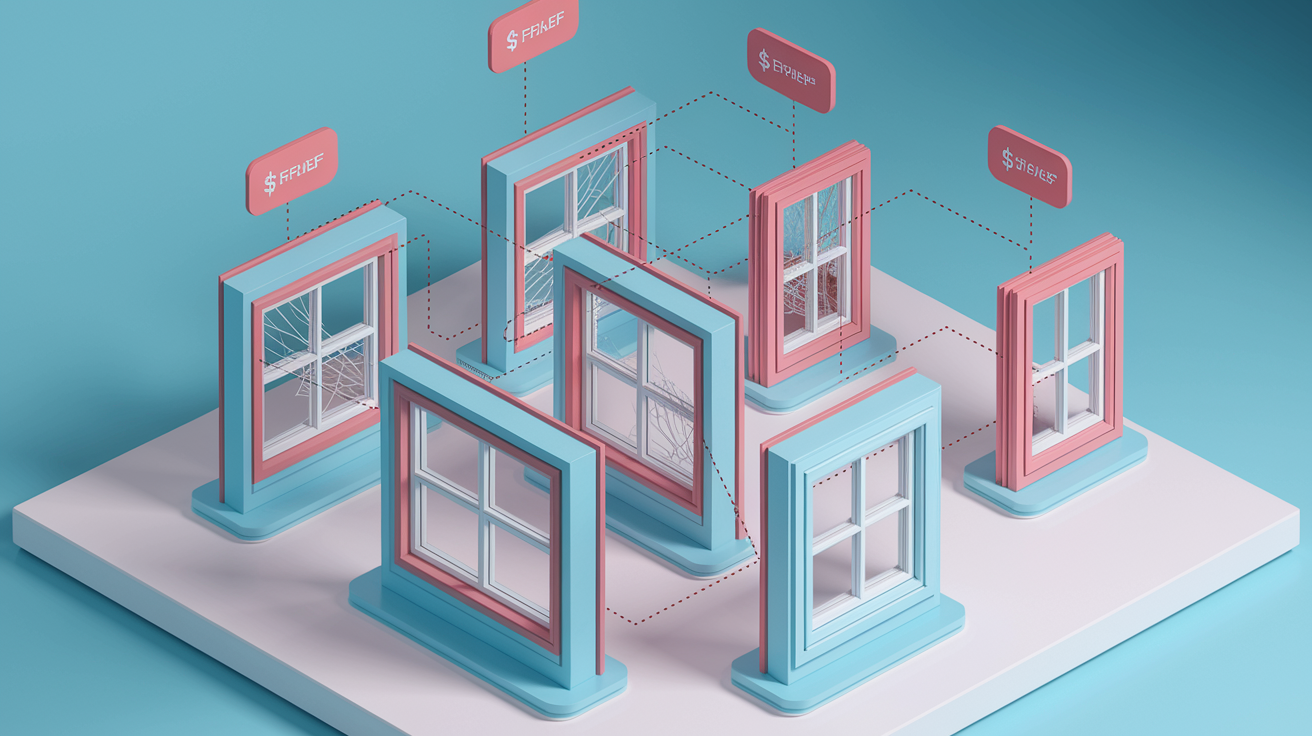
No two window repairs cost exactly the same, even if the damage looks similar. A cracked pane on your first floor bedroom window will carry a different price tag than the same crack on a second story bathroom window with specialty glass.
Damage severity drives the biggest cost swings. A hairline crack you can seal with epoxy runs $20 to $100 in materials, while complete glass replacement for that same window jumps to $200 to $400. Frame damage adds another layer. Minor wood rot might cost $50 to patch, but extensive deterioration requiring full frame sections pushes past $1,000. The repair type itself determines whether you need basic caulking or a complete insulated glass unit replacement.
Window specifications add variables that compound quickly. A standard 24 by 36 inch single hung window with basic glass costs less to repair than a 48 by 60 inch casement window with low-e coating and argon fill. Larger windows need more materials and labor time. Casement and awning windows have cranks, hinges, and weatherstripping that sliding windows don’t, which means more components that can fail and more time to service them. Tempered or laminated safety glass costs 30 to 50 percent more than standard annealed glass.
Location and accessibility create the final cost layer. Second floor windows automatically increase labor rates because of ladder setup and safety precautions. Urban markets and high cost of living areas run 20 to 40 percent above national averages for the same work. If a contractor needs scaffolding or has to drive an extra 30 minutes beyond their normal service area, those costs get added to your invoice. All these factors stack, which is why a simple repair in one situation becomes an expensive project in another.
Comprehensive Price Guide by Window Configuration and Type

Window configuration, operating style, and glass features all influence what you’ll pay to fix a broken window.
| Window Configuration | Standard Glass Cost | Specialized Glass Cost (Tempered/Low-E/Laminated) |
|---|---|---|
| Single-pane | $75-$200 ($3-$4 per sq ft) | $100-$280 |
| Double-pane | $200-$400 | $280-$600 |
| Triple-pane | $500-$1,000 | $650-$1,400 |
| Specialty multi-pane/bow | $600+ | $900+ |
Operating type matters more than most homeowners realize. Single hung and double hung windows run $150 to $400 for typical repairs because they have fewer moving parts. Just sashes, balance systems, and basic locks. Sliding windows fall in a similar range at $150 to $350. Casement windows jump to $500 to $1,000 because crank mechanisms, hinges, and multi-point locks add complexity and labor time. Picture windows with large fixed panes cost $200 to $500 depending on size. Bay and bow windows hit $1,800 to $2,000 including installation because they involve multiple joined units and structural considerations. Storm windows sit at the low end, $100 to $300, since they’re simpler add-on units.
Multi-pane configurations bring their own issues beyond just glass replacement. Seal failure between panes costs $70 to $120 to repair when caught early, but that repair doesn’t work for units that have lost their inert gas fill. Fogging in double pane windows averages $150 to $350 to address, either through drilling, drying, and resealing, or full insulated glass unit replacement. The more panes you have, the more seals can fail and the more complex the repair becomes.
Specialized glass features add 20 to 50 percent to baseline costs. Tempered safety glass is required by building code within 18 inches of doors, near bathtubs, and in other impact prone locations. You can’t substitute regular glass even if it’s cheaper. Low-e coating and argon gas fills improve energy efficiency but require careful handling during repairs and cost more to source. Laminated glass for security or sound reduction involves multiple bonded layers that take longer to fabricate and install. A double pane casement window with low-e glass and argon fill will easily cost twice what a single pane sliding window with standard glass would for the same basic repair work.
Frame Material and Its Effect on Repair Pricing

The material your window frame is made from directly affects both the parts you’ll need and how long the repair takes.
Vinyl frames cost $100 to $300 to repair and represent the easiest, most affordable option. Vinyl doesn’t rot, resists moisture, and uses snap together components that speed up repairs. Replacement parts are widely available and affordable. Aluminum frames also run on the affordable side, though they require different fasteners and occasionally need specialized sealants for proper weatherproofing. Both materials work well for straightforward glass replacement and hardware fixes.
Wood frames climb to $600 per window because they’re labor intensive. Wood can rot, warp, split, and harbor insect damage, which means repairs often involve more than just swapping glass. A glazier might need to sand, fill, prime, and paint to match existing finishes, adding hours to the job. Fiberglass frames need specialized tools for cutting and bonding, and replacement parts cost more than vinyl equivalents. Both wood and fiberglass command premium pricing because fewer contractors have the specific skills and equipment these materials demand.
Regional Cost Variations and Getting Accurate Local Quotes

Window repair pricing shifts based on where you live and when you need the work done, which makes getting local quotes the only way to know your real cost.
Urban areas and coastal markets with high living costs run 20 to 40 percent above national averages for the same repair. A $300 window fix in a rural Midwest town might cost $420 in a major metro area simply due to higher overhead and wage rates. Rural locations can add travel fees if you’re outside a contractor’s normal service radius. Budget an extra $50 to $100 if the repair shop is 30 minutes away. In Iowa, where most homeowners spend $150 to $400 for common repairs, you’ll find rates on the lower end of national ranges, but storm prone areas and smaller towns with limited contractors can still push pricing up.
Seasonal factors create timing based cost swings. Winter brings thermal stress cracks when cold drafts meet warm interior air, and emergency calls for broken windows in freezing weather justify premium rates. Summer demand peaks as homeowners tackle project lists, which can stretch scheduling and occasionally bump prices. Humid conditions cause wood sashes to swell, sometimes requiring sanding or refinishing beyond the glass repair itself. Winter also reveals seal breakdown through visible drafts and condensation, prompting repair calls that contractors can schedule more flexibly than summer emergencies.
Getting accurate estimates requires a systematic approach. Provide a clear damage description with photos showing the full window, close-ups of the damage, and the window’s location in your home. Request an onsite inspection rather than accepting phone estimates. Measurements and hidden issues affect final costs too much to skip this step. Ask for itemized written estimates that separate labor, materials, disposal fees, and any travel charges so you can compare quotes fairly. Verify licensing and current insurance coverage, then check references and online reviews to confirm the contractor’s track record. Clarify warranty coverage on both parts and labor, including what’s covered and for how long. Confirm the project timeline from ordering materials to completion, plus payment terms and schedule. Get 3 to 5 local quotes to establish what market rate looks like in your area for your specific repair.
Don’t pick the lowest bid automatically. Evaluate contractor reputation, warranty terms, communication responsiveness, and how thoroughly they assessed the problem. A slightly higher quote from a contractor who spotted potential frame damage you’ll need to address anyway beats a cheap quote that becomes expensive when issues appear mid-project.
DIY Window Repair: When It Makes Financial Sense
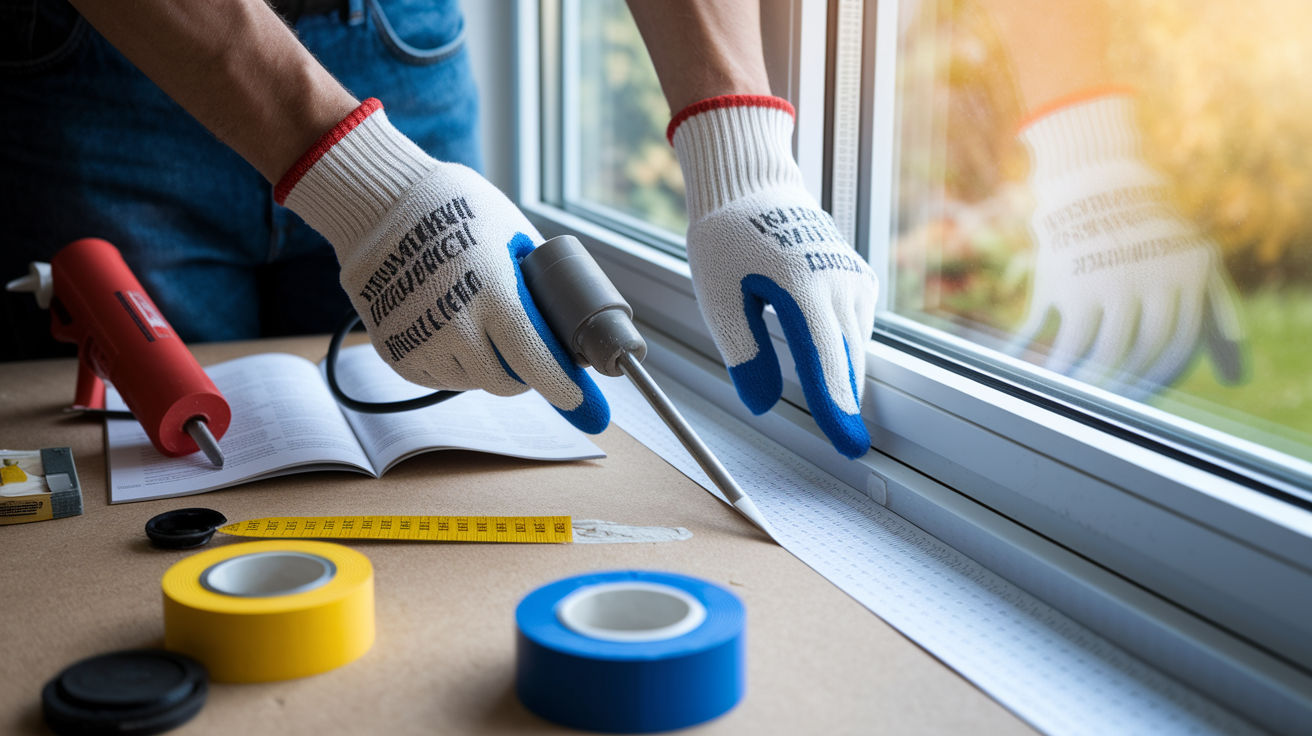
Some window repairs work fine as DIY projects, while others need professional skills and tools to avoid creating bigger problems.
| Repair Type | DIY Materials Cost | Professional Total Cost | Skill Level Required |
|---|---|---|---|
| Caulking/weatherstripping | $20-$50 | $50-$150 | Beginner |
| Hardware replacement | $15-$60 | $100-$200 | Beginner to Intermediate |
| Glazing points installation | $10-$25 | $100-$250 | Intermediate |
| Sash cord replacement | $35-$50 | $200-$400 | Intermediate |
| Glass pane replacement | $75-$150 | $200-$500 | Advanced |
DIY makes financial sense for straightforward repairs where the skill barrier is low. Caulking around window frames costs $20 to $50 in materials. A tube of exterior grade silicone and a caulk gun. And saves you $30 to $100 in labor. Simple hardware replacement like swapping a broken lock or handle runs $15 to $60 for the part versus $100 to $200 professionally installed. Installing glazing points to secure glass in wood frames takes patience but no special tools beyond a putty knife and glazing compound. Weatherstripping replacement prevents drafts for under $50 in materials. These repairs save $100 to $500 in labor costs and build useful homeowner skills.
Professional service becomes necessary when safety, precision, or specialized knowledge matter. Broken glass replacement sounds simple but requires proper measurements, safe glass handling, correct glazing compound application, and weathertight sealing. Mistakes lead to leaks, drafts, or glass that falls out. Seal repairs in insulated glass units involve drilling, chemical treatment, valve installation, and proper resealing that DIY methods can’t replicate reliably. Frame damage requiring carpentry skills to match existing profiles and finishes exceeds most homeowner capabilities. Pre-1978 homes may have lead paint on wooden window frames, which creates health hazards during sanding or scraping that require professional abatement protocols. Safety glass installations must meet building codes, and improper installation creates liability if the glass fails to perform as required during an impact.
Home Insurance Coverage for Broken Window Repairs

Homeowners insurance sometimes covers broken window repairs, which can significantly reduce your out of pocket costs.
Coverage typically applies to specific damage events rather than general maintenance. Storm damage from hail, wind blown debris, or falling tree branches usually qualifies for claims. Vandalism coverage handles broken windows from break-in attempts or intentional damage. Accidental breakage, like a baseball through the glass or furniture knocking into a pane during moving day, often falls under coverage depending on your policy details. These scenarios trigger the “sudden and accidental” standard most policies require.
Insurance won’t cover maintenance related failures or wear and tear. Seal breakdown from age, wood rot from deferred maintenance, condensation damage that developed over months, or glass cracks from frame settlement all fall outside standard coverage. Pest damage, manufacturing defects past warranty periods, and gradual deterioration get excluded. Understanding this distinction helps you know whether calling your insurance company makes sense or if you’re paying directly.
Deductible math determines whether filing a claim works in your favor. If your policy carries a $1,000 deductible and your repair costs $400, you gain nothing from a claim and risk a rate increase at renewal. For multiple broken windows totaling $2,500 in repairs, a $1,000 deductible leaves you saving $1,500, which justifies the claim process. Run the numbers before reporting damage.
Document everything before repairs start. Take photos of the damage from multiple angles, showing both close-ups and full window shots that establish context. Get written estimates from at least two contractors to demonstrate reasonable repair costs. Save receipts for any emergency board-up or temporary weatherproofing you do immediately after damage. Contact your insurance company quickly. Most policies require prompt reporting. And ask whether they’ll send an adjuster or if contractor estimates suffice. Understand how filing affects your premiums before proceeding, especially for smaller claims near your deductible amount.
When Replacement Makes More Financial Sense Than Repair

Sometimes spending more upfront on window replacement saves money compared to repeated repairs or ongoing energy loss.
Replacement becomes the smarter choice in these scenarios. Frame rot or warping means structural integrity issues don’t get fixed with glass replacement. The frame will continue failing and eventually need replacement anyway. Multiple pane failures indicate that if several windows show seal breakdown or fogging, replacing all units with modern energy efficient windows costs less than repairing each individually over time. Windows older than 20 years present challenges because repair parts become harder to source, efficiency standards have improved dramatically, and older windows often have multiple small issues that compound costs. Severe drafts despite repairs mean persistent air leakage that weatherstripping and caulking can’t solve indicates fundamental fit or frame problems that replacement addresses permanently. Upgrading for energy efficiency matters because current heating or cooling bills may justify replacement even when repairs would work, if new windows pay for themselves through utility savings. Aesthetic remodeling also plays a role, since if you’re updating your home’s appearance, matching old window styles limits options compared to replacement with current designs.
Window replacement averages $700 per window nationally, with ranges from a few hundred dollars for basic vinyl units to over $1,000 for premium materials and custom sizes. When a repair estimate hits $400 to $600 and you’re looking at a 20 year old window with marginal energy performance, replacement starts making financial sense. That $700 buys you modern low-e glass, proper insulation, new weatherstripping, updated hardware, and typically a 10 to 20 year warranty.
Energy savings calculations help clarify the replacement decision. Modern double pane low-e windows reduce heat transfer by 30 to 50 percent compared to old single pane units. For a home with 15 windows in a climate with real heating and cooling seasons, that translates to $200 to $400 annually in utility savings. A $10,500 whole house window replacement pays for itself in 25 to 50 years through energy savings alone, but when you factor in eliminated repair costs, improved comfort, and increased home value, the payback accelerates. If your current windows need $3,000 in repairs and you’re facing another round of fixes in 5 years, replacement becomes the clear financial winner.
Warranty Coverage and What’s Protected After Repair

Understanding warranty protection helps you know what costs you’ll face if issues recur after your window repair.
Manufacturer warranties cover the window products themselves. Glass, frames, hardware, and weatherstripping for defects in materials or workmanship. These warranties run anywhere from 5 years on basic vinyl windows to 20 years or lifetime coverage on premium brands like Pella, Andersen, or Marvin. Pella repairs average $175 to $450 partly because their premium components carry strong warranties, but parts availability is better than most brands, which reduces labor time when repairs are needed. Andersen repairs cost $150 to $400 with similar warranty backing. Marvin’s wood and fiberglass windows run $200 to $500 for repairs but include long term material warranties. JELD-WEN vinyl options average $125 to $350 and typically carry 10 year coverage.
Installation or labor warranties come from your contractor, not the manufacturer. These typically run 1 to 2 years and cover issues that arise from improper installation. Leaks around the frame, glass that loosens, or hardware that fails due to incorrect adjustment. A quality contractor stands behind their work, so if that newly replaced pane develops a leak within the warranty period, they’ll return to fix it at no charge. Get labor warranties in writing with clear terms about what’s covered and what triggers a service call.
Certain actions void warranties and leave you paying for future repairs. DIY modifications to professionally installed windows, like drilling through frames, altering hardware, or removing manufacturer applied films, typically void coverage. Using improper cleaning products that etch glass or damage weatherstripping can void material warranties. Impact damage from accidents isn’t covered under standard warranties, even if the window is new. Keep all documentation. Original invoices, warranty cards, and service records. Because you’ll need to prove purchase dates and proper maintenance if you file a warranty claim years later.
Timeline Expectations for Window Glass Repair Projects

Repair timing varies significantly based on what needs fixing and whether parts are readily available.
Same day or next day service works for simple repairs when the contractor has parts in stock. Hardware replacements like locks, handles, or sash lifts can happen immediately if the technician carries common components. Standard glass sizes in single pane configurations often get cut and installed the same day. Emergency temporary repairs, boarding up a broken window, applying temporary weatherproofing, or securing loose glass, happen immediately to protect your home, with permanent repairs scheduled once proper materials arrive.
Most repairs fall into a 3 to 7 day window. This covers the time to order glass panes in standard sizes, schedule the installation appointment, and complete the work. Double pane insulated glass units need to be fabricated with proper spacing, sealing, and gas fills, which takes a few days even when the size is standard. Frame repairs requiring wood replacement or specialized materials follow similar timelines once the contractor assesses damage and orders components. If you’re getting multiple windows repaired, scheduling efficiency might extend the timeline slightly, but the work itself goes faster per window.
Custom glass, specialty windows, or discontinued parts push timelines to 2 to 4 weeks. Hand fabricated stained glass, custom beveling, or period appropriate patterns for historic windows require artisan work that can’t be rushed. Specialty shapes like trapezoids, circles, or unusual multigrain patterns need custom cutting and framing. Older windows with discontinued hardware or unique frame profiles might require parts fabrication or sourcing from architectural salvage, which adds unpredictable delays. Bay window repairs involving multiple coordinated units take longer because each section must fit precisely with adjacent panes.
Plan accordingly when weather is a factor. A broken window in winter needs immediate temporary protection even if permanent repairs take two weeks. Summer projects with flexible timelines give you more contractor options and potentially better pricing than emergency winter calls.
Preventive Maintenance to Reduce Future Repair Expenses
Basic upkeep prevents the majority of expensive window repairs and extends the life of your windows by years.
Seasonal inspections in spring and fall matter. Walk around your home checking each window for cracks, seal deterioration, hardware function, and weatherstripping condition. Spring inspections catch winter damage early, fall inspections prepare windows for cold weather. Cleaning glass and frames twice yearly with mild soap and water removes dirt buildup that traps moisture and accelerates frame deterioration. Clean weep holes at the bottom of frames to ensure drainage. Lubricating hardware annually with silicone spray keeps locks, cranks, hinges, and tracks operating smoothly and prevents binding that leads to broken handles.
Checking and replacing weatherstripping every 3 to 5 years stops drafts before they appear. Inspect the rubber or foam strips around sashes for cracks, compression, or gaps. Inspecting and refreshing caulk and sealant annually prevents water infiltration. Check caulk lines between frames and siding, and reapply where cracks or separation appear. Painting and sealing wood frames every 3 to 5 years prevents moisture absorption that causes rot and insect damage. Clearing weep holes with a small wire or pipe cleaner prevents water buildup that damages seals and frames. Monitoring for condensation catches problems early, since excessive condensation between panes indicates seal failure requiring prompt attention before moisture causes permanent glass clouding.
Spending $50 to $100 annually on maintenance materials and a few hours of your time prevents $300 to $800 repair bills when small issues turn into major problems. That $75 spent on weatherstripping replacement this fall avoids winter drafts that cost you an extra $20 monthly in heating bills. It pays for itself in four months. Regular maintenance also extends window lifespan from 15 to 20 years up to 25 to 30 years, deferring the much larger expense of full window replacement. Think of it like changing your car’s oil. Cheap prevention beats expensive repairs every time.
Understanding Building Codes and Permit Requirements
Some window repairs must meet current building codes even if your home’s original installation happened decades ago under different standards.
Code requirements get triggered by specific repair scenarios. Safety glass is required within 18 inches of doors, in bathroom areas near tubs or showers, in any glazing that extends to within 24 inches of the floor, and in other locations where impact risk is high. If you’re replacing glass in these areas, you must use tempered or laminated safety glass that meets current standards, even if the original pane was standard glass. Bedroom egress windows must meet minimum size requirements, typically 5.7 square feet of opening with no dimension less than 20 inches and sill height no more than 44 inches above the floor, to provide emergency escape routes. If you’re replacing a bedroom window, the new unit must meet these dimensions or you’ll need to modify the opening.
Lead paint considerations apply to any home built before 1978. Scraping, sanding, or removing old window components in these homes disturbs lead paint and creates health hazards, particularly for children and pregnant women. Professional contractors must follow EPA lead safe work practices, which include containment, specialized cleanup, and proper disposal. This isn’t optional, and the added protocols increase repair costs but protect your household from lead exposure.
Permit requirements vary by municipality, but generally apply to full window replacements or structural modifications rather than simple glass repairs. Replacing glass in an existing frame usually doesn’t need a permit. Replacing the entire window unit, frame and all, typically requires a building permit, which costs $50 to $200 depending on your location. Egress window installations, which often involve enlarging openings and adding window wells, always require permits because they involve structural work and safety critical systems. The permit process adds 1 to 2 weeks to your timeline for plan review and scheduling inspections, but it ensures the work meets code and doesn’t create issues when you sell your home.
Check with your local building department before starting significant repairs. A quick phone call clarifies requirements and prevents costly mistakes like installing non-compliant glass that fails inspection.
Special Considerations for Historic and Custom Windows
Non-standard windows require specialized expertise and command premium pricing, but they’re worth preserving when you value architectural character.
Historic windows present unique challenges because preservation often matters more than pure cost efficiency. Original wavy glass, hand crafted muntins, and period appropriate hardware contribute to a home’s historical integrity and character. Finding craftspeople who understand traditional glazing techniques, can match original profiles, and respect preservation standards takes research. Expect to pay premium rates, often 50 to 100 percent above standard window repairs, because this work requires specialized skills and patience. Historic window specialists might spend hours carefully removing old glazing compound without damaging antique glass that can’t be replaced with modern equivalents.
Custom glass fabrication adds significant cost and time to any repair. Hand crafted stained glass with multiple colored panes, leading, and artistic designs can run $500 to $2,000 per window depending on complexity and size. Custom beveling that creates prismatic effects along glass edges adds $200 to $600 per window. Period appropriate patterns for Victorian, Craftsman, or Art Deco homes require fabricators who can match original designs or create compatible new ones. These projects take 3 to 8 weeks because each piece is essentially custom artwork, not an off the shelf product.
Discontinued parts create sourcing headaches for vintage windows from manufacturers no longer in business or who’ve discontinued product lines. Hardware like crank mechanisms, balance springs, or specialty locks might require searching architectural salvage yards, online specialty retailers, or custom fabrication. A machinist can recreate certain metal parts from originals, but expect to pay $150 to $400 for custom fabrication of components that would cost $20 off the shelf if they were still manufactured. Adapting modern components to fit vintage frames requires creativity and sometimes minor modifications that preserve the window’s appearance while restoring function.
If you’re dealing with historic or custom windows, budget 25 to 50 percent more than comparable standard window repairs and expect longer timelines. The investment preserves irreplaceable architectural features that add character and value to your home in ways modern replacement windows never could.
Final Words
Broken window repair cost depends on damage type, window configuration, and whether you need emergency service.
Most homeowners spend $150 to $400 for standard repairs, but your actual price reflects frame material, glass features, and accessibility.
Get local quotes that break down labor and materials. Compare contractors on warranty terms and communication, not just price.
Small repairs handled now prevent bigger bills later. Regular maintenance catches seal failures and frame damage before they spread.
If you’re dealing with foggy glass, sticking hardware, or visible cracks, reach out for an estimate. We’ll walk you through your options and get your windows back to normal.
FAQ
What is the average cost to replace a broken window?
The average cost to replace a broken window is $392 nationally, with most homeowners paying between $150 and $400 for typical repairs. Complete glass replacement ranges from $200 to $400 for standard windows, while simple caulking repairs start around $50 and more complex multi-pane repairs can reach $800 or more.
Is it cheaper to replace the whole window or just the glass?
Replacing just the glass is typically cheaper than replacing the whole window. Glass-only replacement costs $200 to $400 for most standard windows, while full window replacement averages $700 and can exceed $1,000. However, full replacement makes better financial sense when frames are rotted, warped, or when multiple failures exist simultaneously.
Is a broken house window covered by insurance?
A broken house window is covered by homeowners insurance when damage results from covered events like storms, vandalism, or accidental breakage. Insurance typically excludes damage from normal wear, poor maintenance, or gradual deterioration. Filing a claim makes financial sense only when repair costs exceed your deductible amount.
How much does DIY window repair cost compared to professional service?
DIY window repair costs $20 to $50 for simple fixes like caulking or weatherstripping, using materials only. The same repairs done professionally cost $200 to $600 including labor. Simple hardware replacement and basic sealing are DIY-appropriate, while glass replacement and seal repairs require professional expertise for safety and proper installation.
What factors increase window repair costs the most?
Window repair costs increase most with accessibility challenges, window configuration complexity, and specialized glass requirements. Second-floor windows requiring ladders, multi-pane insulated units, and tempered or low-e glass can add 20 to 50 percent to baseline repair costs. Urban areas with higher labor rates also significantly impact final pricing.
How much do emergency window repairs cost?
Emergency window repairs cost double or triple regular rates, typically adding upcharge fees for after-hours, weekend, or immediate response service. If standard repair costs $300, expect to pay $600 to $900 for emergency service. Emergency temporary repairs followed by scheduled permanent fixes can sometimes reduce overall costs.
Does window frame material affect repair costs?
Window frame material significantly affects repair costs and labor time required. Vinyl frames are the cheapest to repair at $100 to $300, while wood frames can cost up to $600 per window due to labor-intensive work. Fiberglass and aluminum frames require specialized tools, commanding premium pricing between vinyl and wood costs.
How long does window glass repair take?
Window glass repair takes anywhere from same-day service to four weeks depending on complexity. Simple hardware repairs or standard glass sizes in stock can be completed same-day. Ordered glass panes in standard sizes typically require three to seven days, while custom glass or specialty windows need two to four weeks for fabrication.
When should I replace a window instead of repairing it?
You should replace a window instead of repairing it when frames show rot or warping, multiple panes have failed, or windows are older than 20 years. Replacement also makes better financial sense for severe drafts that persist after repairs or when upgrading for energy efficiency provides payback through reduced utility bills.
Do window repairs come with warranty coverage?
Window repairs come with separate warranties for parts and labor. Typical warranty coverage includes one to two years for installation workmanship and five to 20 years for glass and materials, depending on manufacturer. Maintaining coverage requires avoiding DIY modifications, using proper cleaning methods, and keeping all repair documentation.
How much do repairs cost for different window brands?
Window repair costs vary by brand based on parts availability and materials quality. Pella repairs average $175 to $450, Andersen costs $150 to $400, Marvin ranges from $200 to $500 for wood and fiberglass, and JELD-WEN averages $125 to $350 for vinyl options. Premium brands use higher-quality components but often have better parts availability.
What maintenance prevents expensive window repairs?
Preventive maintenance that prevents expensive window repairs includes seasonal inspections, lubricating hardware, checking weatherstripping, and refreshing caulk and sealant. Annual maintenance costing $50 to $100 prevents $300 to $800 repair bills and extends window lifespan five to 10 years by catching small issues before they become major problems.