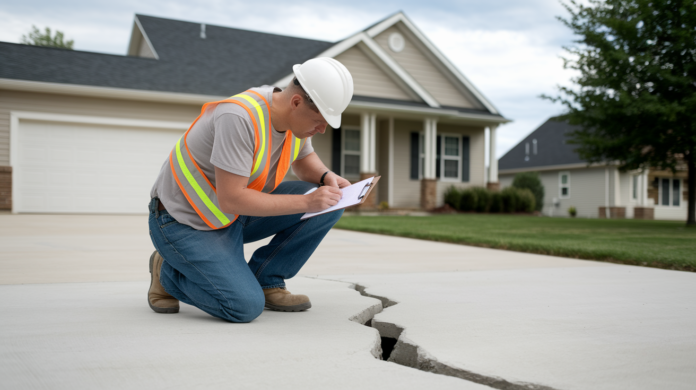

You’ve been putting off that cracked driveway for months, right? Maybe you’re worried it’ll cost too much or turn into a multi-week project that blocks your garage. Here’s what most homeowners don’t realize: small fixes done now take a few hours and cost a fraction of what you’ll pay when that crack becomes a sinking slab. Professional driveway repair handles everything from surface cracks to drainage problems, often wrapping up in a single day with materials that last for years.
Comparing Local Driveway Repair Contractors: Prices, Services & Booking

Finding someone who actually knows what they’re doing starts with tracking down licensed pros in your area who can handle both concrete and asphalt work. Check online directories, ask neighbors whose driveways look freshly fixed, and verify credentials through your state licensing board and Better Business Bureau. Most legit contractors will come out for free estimates and on-site inspections, so there’s no reason not to collect a few quotes before you commit.
| What to Compare | Details to Check | Why It Matters |
|---|---|---|
| Licensing and Insurance | Current license number, general liability coverage, worker’s compensation | Protects you from liability if workers are injured or property is damaged during repairs |
| BBB Rating | Letter grade, accreditation status, complaint history | A+ ratings indicate consistent customer satisfaction and ethical business practices |
| Experience Level | Years in business, specialization in concrete or asphalt, completed project count | 45+ years of experience typically means proven methods and skilled crews |
| Warranty Coverage | Labor warranty duration, material defect coverage, transferability to new homeowners | Protects your investment and shows contractor confidence in their work quality |
| Customer Reviews | Overall star rating, recent review content, response to complaints | Real experiences reveal communication style, property care habits, and timeline reliability |
| Quote Response Time | Days to schedule inspection, turnaround for written estimate | Fast response often indicates good availability and organized business systems |
When you’re requesting estimates, give them the full picture. Square footage of your driveway, what it’s made of (concrete or asphalt), visible damage like cracks or sections that have settled, and photos showing the problem from different angles. Most contractors get back to you within a day or two to schedule that free inspection. During the visit, they’ll measure everything, check for underlying issues like soil erosion or drainage problems, and walk you through what actually needs fixing. You should get a written proposal within a few days spelling out the work, materials, labor costs, and how long it’ll take. Typical repairs wrap up in a single day. Bigger jobs might stretch to 2 or 2.5 days.
The booking process usually kicks off with a phone call where you describe what’s wrong. Then you schedule an on-site inspection whenever works for you during business hours, typically Monday through Friday, 7:30am to 4:30pm. After you’ve got written proposals from at least three contractors, don’t just compare prices. Look at warranties, materials quality, and how long they say it’ll take. Once you pick someone, sign a detailed contract that nails down start dates, payment schedules, and work guarantees. How soon they can start depends on their availability and weather, but most established companies around Milwaukee, Wauwatosa, Brookfield, Germantown, Waukesha, Mequon, Lake Country, Whitefish Bay, Delafield, and Oconomowoc can get going within a week or two.
Contact info you absolutely need from each contractor:
Business name, license number, and insurance verification you can double check yourself. Physical business address and how long they’ve been around (contractors working from home addresses are a red flag). Direct phone and email so you can reach them quickly once work starts. Service areas they cover, making sure they regularly work in your neighborhood. Business hours and whether they handle emergency repairs for urgent damage. Payment methods they accept (check, credit card, financing) and any financing options for bigger projects. Warranty terms covering labor and materials, including what voids it.
Reading customer reviews tells you things pricing can’t. Look for mentions of professional communication, meaning the crew explained what they were doing and didn’t brush off questions. Property care during work matters, so reviews should confirm they protected landscaping, didn’t tear up the lawn, and cleaned up when done. Timeline stuff is important too. Did they finish when promised or leave people hanging with half-done driveways? And check whether people are happy with results months later, not just the day the crew left.
Price comparison works better when you realize the cheapest bid rarely gets you the best outcome. Rock-bottom estimates usually mean cheap materials that fail within a year, or skipped prep steps like proper base compaction. Look at what each quote actually includes. Does it cover hauling away old concrete, fixing damaged base material, applying protective sealants, and final cleanup? Ask directly about hidden fees for things like weekend work, disposal costs, or travel charges if you’re outside their normal area. Pick your contractor based on proper credentials, solid reputation backed up by reviews and BBB ratings, and fair pricing that reflects quality work. Not just whoever comes in lowest.
Common Driveway Issues and Professional Repair Solutions
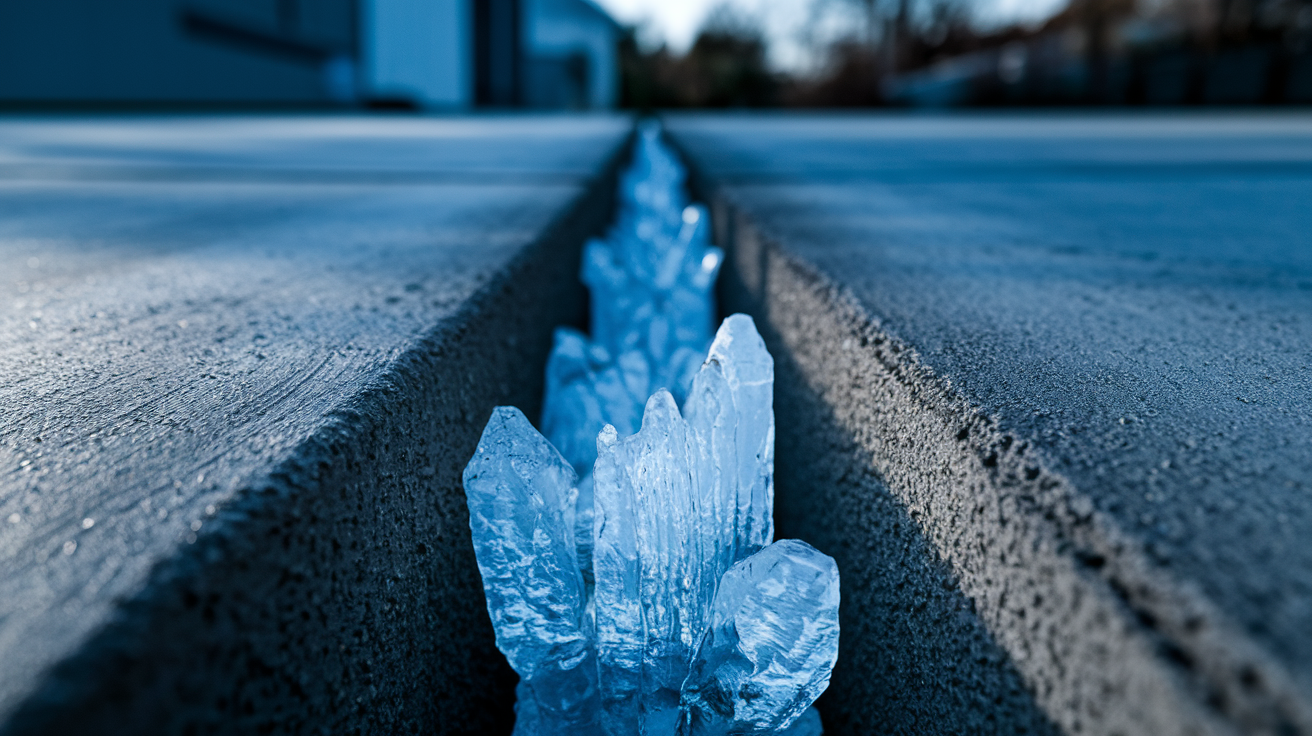
Different damage needs different fixes depending on your driveway material and how bad things have gotten. A hairline crack doesn’t get the same treatment as a section that’s dropped three inches into the ground.
| Damage Type | Causes | Concrete Solution | Asphalt Solution |
|---|---|---|---|
| Surface Cracks | Freeze-thaw cycles, settling, shrinkage during curing | UV-resistant silicone sealant injection that prevents drying and cracking | Rubberized crack filler that flexes with temperature changes |
| Potholes | Water infiltration, heavy traffic, deteriorated base material | Remove damaged concrete, compact base, pour new section with matching mix | Hot or cold patching compound applied in layers and compacted |
| Settling/Sinking | Soil erosion, poor compaction, void formation beneath slabs | Polyurethane foam injection that lifts slabs and compacts surrounding soil | Remove sunken asphalt, regrade and compact base, install new layer |
| Surface Deterioration | Age, moisture exposure, chemical damage, lack of protective sealing | Resurfacing with new concrete overlay or protective bonding treatment | Mill off damaged surface layer, apply fresh asphalt, seal coat |
| Joint Separation | Natural expansion/contraction, missing or failed joint sealant | Clean joints thoroughly, apply silicone-based sealant designed for UV resistance | Rout and fill joints with hot-pour rubberized sealant |
| Drainage Problems | Improper slope, settled sections creating low spots, clogged edges | Lift settled areas with foam injection, regrade edges, install drainage channels | Overlay low areas to restore slope, saw-cut drainage paths, patch and seal |
Concrete driveways in Wisconsin get hammered by freeze-thaw cycles that crack and heave slabs all winter long. Water sneaks into tiny cracks, freezes and expands, then thaws and goes deeper. This happens dozens of times each season. Soil erosion from rainwater runoff or gutter downspouts pointed the wrong way washes supporting material out from under slabs, creating voids that cause settling and cracking. Rotted tree roots decompose and leave gaps in the soil. Improperly compacted dirt fill from sloppy original construction never had the density to support heavy concrete in the first place.
Modern repair methods tackle these issues with high-density polyurethane foam that flows like water into small cracks and voids before expanding to lift sunken slabs. This foam cures in about 15 minutes, so you can drive on it the same day. The expanding material lifts concrete and compacts surrounding soil at the same time for stability that actually lasts. UV-resistant silicone sealants fill cracks and joints without the drying, bubbling, or yellowing you get with old-school urethane products. Protective treatments bond permanently with concrete surfaces to block moisture and handle seasonal temperature swings.
Asphalt driveways have different problems tied to being petroleum-based. Summer heat softens asphalt, making it vulnerable to impressions from parked cars and wearing down faster in wheel paths. Winter cold makes it brittle and prone to cracking. Water gets through cracks and reaches the base material, softening and weakening it until potholes form. Sun exposure gradually dries out the oils in asphalt, turning the surface gray and brittle.
Professional repairs start with hot patching for bigger potholes. Crews heat the damaged area, remove deteriorated stuff, compact fresh hot-mix asphalt in layers, and blend edges with surrounding pavement. Cold patching works for smaller holes and emergency fixes, using specially formulated asphalt that compacts without heating. Crack sealing uses rubberized materials that stay flexible across temperature extremes, stopping water from reaching the base. Seal coating puts a protective layer over everything, restoring oils and blocking UV damage while making the driveway look fresh and black again.
Both materials suffer when underlying problems get ignored. Poor drainage that lets water pool finds ways into cracks and joints, eventually reaching base material and washing it away. Improperly compacted base fill creates soft spots that shift under vehicle weight. Void formation happens when water erodes soil beneath slabs or washes out base material through cracks. Heavy vehicles, especially delivery trucks or RVs parked in the same spot repeatedly, stress driveways beyond what they were designed to handle.
Professional contractors look beyond surface symptoms to figure out what’s really causing the damage. They walk your entire driveway checking for patterns in cracking, settlement areas, and drainage issues. Inspection includes probing suspected voids, measuring slope and drainage flow, and checking nearby landscaping for things like downspouts aimed at the driveway or tree roots growing underneath. Based on material type, how bad the damage is, and what’s causing it, contractors recommend repairs designed to last instead of quick cosmetic patches. The goal is fixing it once, not patching the same spots over and over.
Driveway Repair Service Cost Factors and Pricing
Several things combine to determine your final bill, with damage extent playing the biggest role. A few hairline cracks cost way less to seal than lifting three sunken slabs and filling multiple potholes. Driveway size measured in square footage directly affects material quantities and labor hours. A 200-square-foot section obviously needs less work than 800 square feet. Material type matters because concrete and asphalt use different repair products and techniques, each with different pricing. Location accessibility affects costs when tight spaces require hand work instead of equipment, or when your property sits far from the contractor’s base and requires longer travel. Labor rates vary by region and contractor experience, with specialists in advanced techniques like foam injection charging more than basic patching crews. Regional pricing reflects local material costs, permit fees, and what the competitive market looks like.
| Service Type | Typical Price Range | Timeline | Best For |
|---|---|---|---|
| Crack Filling | $3-$8 per linear foot | 2-4 hours | Hairline to 1/2-inch cracks before water damage spreads |
| Pothole Patching | $100-$300 per hole | 1-3 hours per hole | Isolated holes smaller than 2 feet diameter |
| Concrete Leveling | $5-$25 per square foot | 4-8 hours, same-day use | Sunken slabs with stable surrounding sections |
| Section Replacement | $8-$15 per square foot | 1-2 days | Severely damaged areas too far gone for leveling or resurfacing |
| Full Resurfacing | $3-$10 per square foot | 1-3 days | Surface deterioration without structural problems |
| Seal Coating | $0.15-$0.40 per square foot | 4-6 hours | Preventative protection for asphalt every 2-4 years |
| Complete Replacement | $8-$25 per square foot | 3-5 days | Driveways with widespread failure, drainage redesign needs |
Repair costs run way lower than full replacement while solving most common problems. Lifting sunken concrete with polyurethane foam costs a fraction of tearing out and replacing entire sections, and the work finishes in hours instead of days with minimal disruption to your grass and landscaping. Even extensive repairs addressing multiple cracks, small settling areas, and surface protection through sealants add up to less than replacement costs.
Replacement makes sense when damage affects more than 40% of the driveway, when you’re changing the layout or expanding size, or when switching materials from deteriorated asphalt to more durable concrete. Concrete delivers lower maintenance costs long term compared to asphalt because it doesn’t need seal coating every few years and resists oil stains and oxidation better. New driveways can return 50 to 75% of installation costs when you sell, boosting curb appeal and buyer confidence. But if you’re staying put, repairs preserve your budget while extending current driveway life another 10 to 20 years with proper maintenance.
Getting accurate quotes starts with requesting free estimates from at least three licensed contractors in your area. Schedule on-site inspections rather than relying on phone estimates, since contractors need to see damage extent, measure square footage, and check underlying issues before they can price work accurately. Insist on written proposals that detail specific repairs planned, materials to be used (brand names for sealants or foam systems), labor costs broken out separately, timeline from start to completion, and payment schedule.
Ask about payment terms. Do they require deposits upfront? Typically 10 to 25% for materials. Progress payments for multi-day projects? Final payment upon completion and your approval? Inquire about financing options for larger projects, since many established companies offer payment plans for foundation and concrete repairs running several thousand dollars. Remember that quality materials and experienced labor justify reasonable pricing over suspiciously low bids that often mean shortcuts on preparation, cheap products, or incomplete work scope.
Choosing a Professional Driveway Repair Contractor
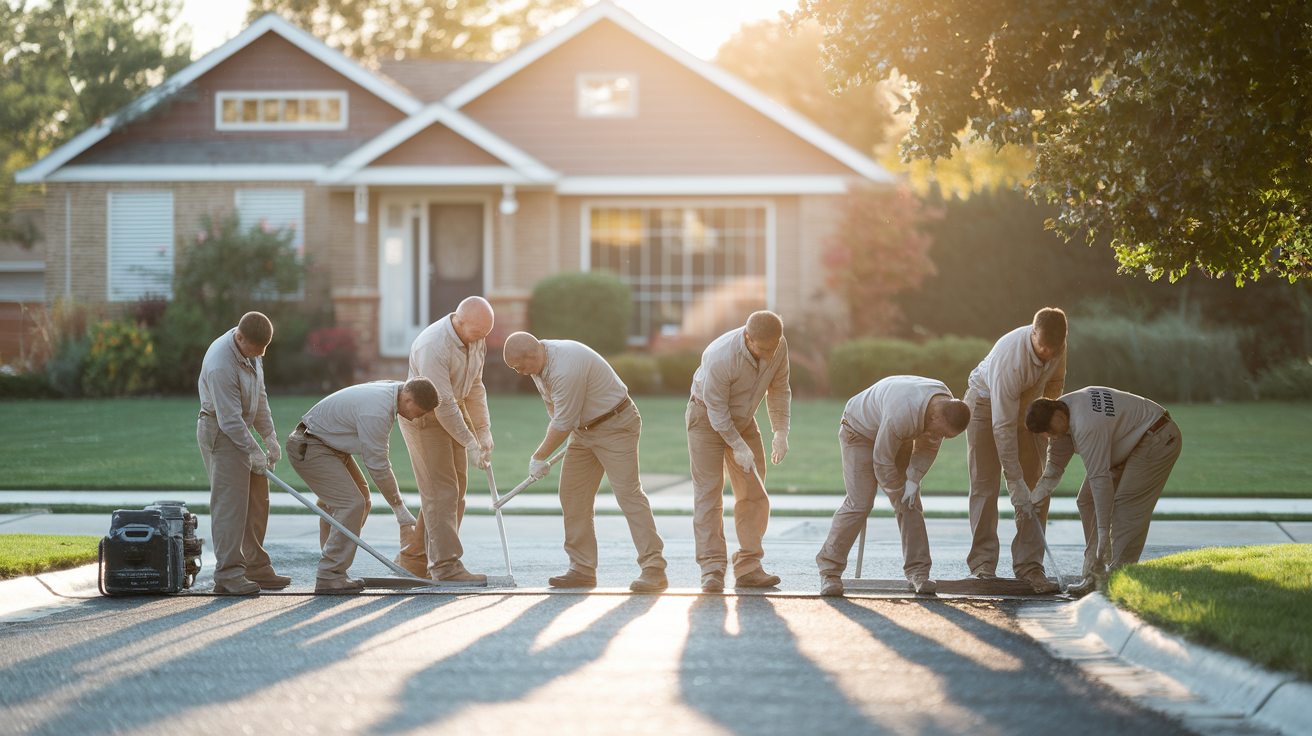
Hiring licensed, insured, and bonded contractors protects you legally and financially while making sure work meets local building codes. Established track records show consistent quality, with companies operating 45 years or longer proving their methods deliver results that last. Better Business Bureau accreditation with A+ ratings means a company handles customer concerns professionally and maintains ethical business practices. Specialized experience matters because modern repair technologies like polyurethane foam injection or advanced sealant systems require specific training and equipment available only to select contractors. A company that’s been repairing foundations and concrete for decades understands soil conditions, drainage patterns, and climate challenges in your region better than a general handyman offering driveway repairs as a side gig.
Credentials and questions to verify before hiring:
Valid contractor license number matching state records and current insurance certificates showing general liability coverage and worker’s compensation protecting you from claims if someone gets hurt on your property. Better Business Bureau rating and full accreditation status, plus complaint history showing how the company resolved any customer issues. Years of experience specifically with your driveway material (concrete or asphalt) and proven expertise with modern repair technologies beyond basic patching. Warranty coverage spelling out exactly what’s protected, for how long, and what voids coverage like DIY repairs or unauthorized modifications.
Customer references from recent projects in your area you can contact, plus permission to drive by completed jobs and see quality firsthand. Written estimate breaking down labor and material costs separately, listing specific products by brand name, and explaining what prep work is included. Timeline commitments with start and completion dates in writing, plus policies for weather delays or unexpected conditions discovered during work. Payment terms detailing deposit amounts, progress payment schedule, accepted payment methods (check, credit card, financing), and any financing options available for larger projects.
Watch for red flags. Unusually low bids that undercut competitors by 30% or more often mean the contractor plans to cut corners on materials, skip prep steps, or tack on surprise charges later. Contractors who refuse to provide written contracts want flexibility to change terms or deny warranty claims. High-pressure tactics pushing you to sign today before rates increase or limited-time discounts expire suggest desperation for work rather than confidence in fair pricing. Missing credentials like no license number, lapsed insurance, or inability to provide references indicate amateur operations. Working from residential addresses without established business locations makes contractors hard to find if problems show up after they’re done.
Customer reviews reveal real experiences beyond marketing claims. Look for consistent patterns in professional communication showing crews explained work clearly and answered questions. Property care mentions confirm teams protected landscaping, cleaned up debris, and left the area tidy. Minimal lawn damage proves careful equipment operation rather than sloppy site management.
Maintenance Tips to Prevent Future Driveway Repairs

Preventative maintenance extends your driveway’s lifespan by decades while avoiding expensive emergency repairs. Small investments in regular care pay off by keeping minor issues from becoming major failures.
Protective sealing schedules depend on your material type and climate exposure. Concrete driveways benefit from professional sealing every 2 to 3 years using products that permanently bond with the surface to guard against moisture infiltration, chemical damage from de-icing salts, and seasonal freeze-thaw cycles that crack and heave slabs. Asphalt driveways need seal coating every 2 to 4 years to replace oils lost to sun exposure and create a waterproof barrier blocking UV damage. These sealants do more than look nice. They prevent water from reaching base material where it causes real destruction.
Practices that cut down on repair needs:
Regular cleaning and power washing removes debris, oil drips, and organic material that traps moisture against the surface and speeds up deterioration. Prompt crack filling before water gets in stops small cracks from spreading into major structural problems during freeze-thaw cycles. Proper drainage maintenance keeps gutters and downspouts directed away from the driveway so water doesn’t pool along edges and wash out base material. Winter prep including thorough sealing before freeze-thaw season starts and using sand instead of rock salt for traction reduces chemical damage and ice expansion forces.
Avoiding heavy vehicle parking in the same spots prevents permanent impressions in asphalt and concentrated stress on concrete that leads to cracking. Removing oil spots and chemical spills immediately with absorbent materials and degreasers stops petroleum products from softening asphalt or staining concrete. Annual inspection for early damage detection catches small cracks, minor settling, and drainage issues while they’re still cheap to fix.
Seasonal stuff changes your maintenance focus throughout the year. Winter damage prevention requires pre-season sealing completed in fall before temperatures drop, giving sealants time to cure properly. Inspect for cracks one last time before snow arrives and fill them right away since freeze-thaw cycles turn hairline cracks into major breaks. Summer heat protection matters for asphalt driveways. Avoid parking heavy vehicles or RVs in the same spot during the hottest parts of the day when softened asphalt deforms easily.
Proper maintenance cuts long-term costs dramatically compared to neglect that requires major repairs or early replacement. Spending a few hundred dollars every few years on sealing and minor crack filling prevents thousand-dollar leveling projects or section replacements. Small issues caught during annual inspections cost minimal amounts to address, while the same problems ignored for years require extensive work involving base repair, void filling, and structural rehabilitation. Well-maintained driveways preserve property value and curb appeal, making your home more attractive to potential buyers while giving you smooth, safe access every day you live there.
Final Words
A quality driveway repair service protects one of your home’s most visible investments without the cost and disruption of full replacement.
Whether you’re dealing with settling slabs, expanding cracks, or surface wear, the right contractor will walk you through realistic options with transparent pricing and proven methods.
Check credentials, compare a few estimates, and trust the reviews that mention clear communication and clean finishes.
Most repairs wrap up in a day or two, and a little preventive maintenance afterward keeps things solid for years.
FAQ
Is professional driveway repair worth the cost?
Professional driveway repair is worth the cost because it extends your driveway’s lifespan, prevents minor damage from spreading into expensive replacements, and maintains your home’s curb appeal and property value. Licensed contractors use specialized materials and techniques that deliver lasting results compared to DIY attempts.
How should I repair a severely damaged driveway?
Severely damaged driveways should be evaluated by a licensed professional who can identify underlying causes like soil erosion or drainage issues and recommend whether targeted repairs like polyurethane foam leveling, section replacement, or full resurfacing will restore function. Professionals determine if repair is feasible or if replacement makes more financial sense based on damage extent.
What does driveway restoration typically cost?
Driveway restoration costs vary based on damage severity, driveway size, material type, and repair method needed. Minor crack filling and pothole patching cost significantly less than full resurfacing or replacement. Request free estimates from multiple licensed contractors for accurate pricing specific to your situation and location.
How much does a 20×20 concrete driveway installation cost?
A 20×20 concrete driveway installation cost depends on regional labor rates, material expenses, site preparation needs, and finishing options selected. While new installation represents a significant investment, concrete driveways return 50-75% ROI when selling property and require less costly maintenance over time compared to asphalt alternatives.