

You can’t fix a dangerous electrical panel or a leaking roof if you don’t have the money, and ignoring it only makes things worse. Thousands of homeowners face this choice every year, watching small problems turn into safety hazards because repair costs feel impossible. The good news is that federal, state, and nonprofit programs exist specifically to help eligible homeowners afford critical repairs, from emergency fixes to full accessibility modifications. Here’s how to figure out if you qualify and where to start your application.
Major Home Repair Assistance Programs and Quick Eligibility Guide
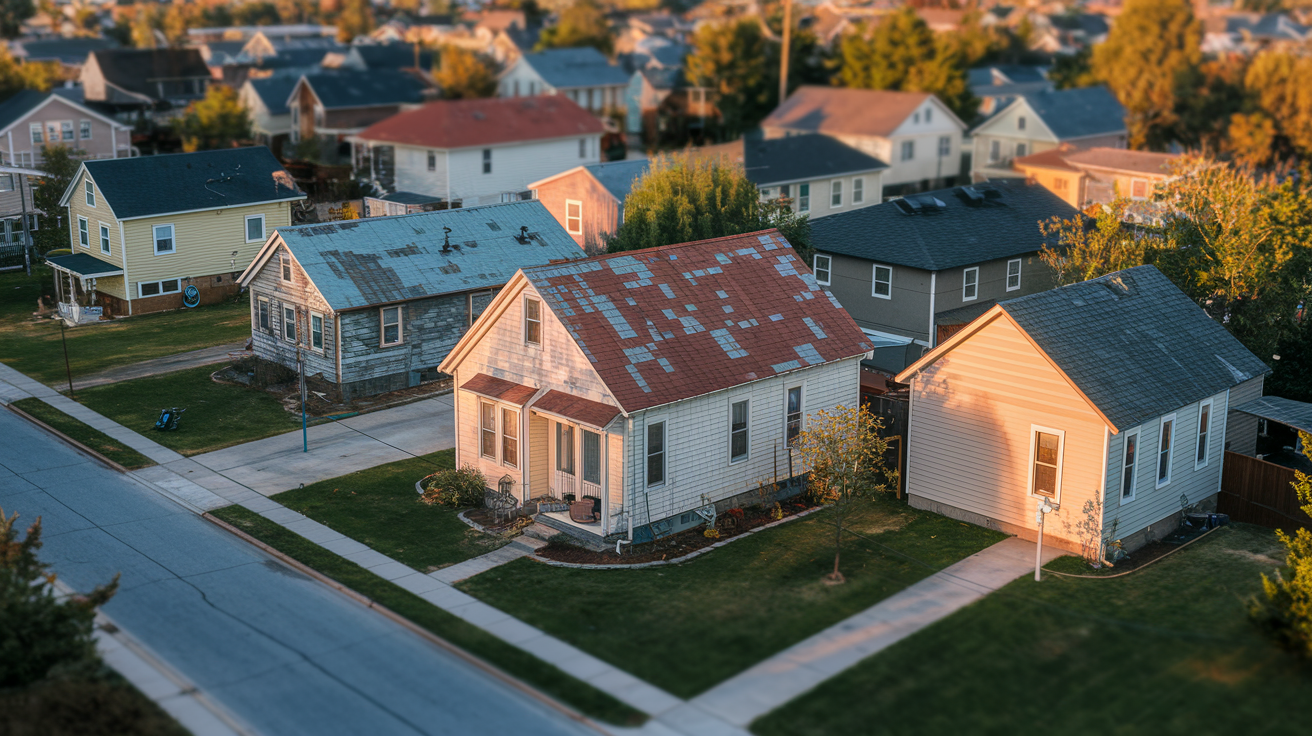
Multiple federal, state, and nonprofit programs exist to help eligible homeowners with critical repairs, accessibility modifications, and emergency restoration work. These programs work through local grantee organizations, state housing agencies, and community partners to reach homeowners who can’t afford necessary repairs on their own.
| Program Name | Maximum Assistance | Primary Eligibility | Application Route |
|---|---|---|---|
| Illinois HAFHR | $60,000 grants | 150% AMI, COVID-19 hardship | Local grantees |
| USDA Section 504 | Varies by income | Rural homeowners, income limits | USDA offices |
| CDBG Programs | Varies by locality | Low-income verification | Municipalities |
| State HRAP Programs | Varies by state | Low/very low income | State grantees |
| Rebuilding Together Veterans | No-cost services | Veterans and military families | Local affiliates |
| Habitat for Humanity | Varies by chapter | Low-income families | Local chapters |
You’ll apply through local grantee organizations rather than directly to federal or state agencies in most cases. For questions about Illinois programs, contact the Illinois Housing Development Authority at (312) 836-5200 during office hours, 8:30 a.m. to 5:00 p.m. (TDD available at 866-324-4431).
Eligibility centers on household income limits, typically between 80% and 150% of Area Median Income based on household size. Programs often give special consideration to senior citizens, disabled individuals, veterans, and aging homeowners who face unique challenges maintaining safe and accessible homes.
Federal Home Repair Assistance Programs Available

Federal funding flows through several major programs that supplement state and local assistance efforts. These programs establish the framework and provide money that eventually reaches homeowners through regional administrators and local partners.
Federal programs cast a wide net across both urban centers and rural areas. The structure allows flexibility for local conditions while maintaining consistent standards for health and safety.
HUD Home Repair Programs
The Department of Housing and Urban Development funds local and state programs that help homeowners complete property improvements they couldn’t otherwise afford. HUD typically doesn’t work directly with individual homeowners. Instead, it provides grants and technical support to municipalities, counties, and nonprofit organizations that run repair programs in their communities.
USDA Rural Development Section 504 Loans
Section 504 loans serve rural homeowners who need help with essential repairs but live outside metropolitan areas where other programs concentrate their services. These loans offer favorable terms to low-income applicants, with some converting to grants for homeowners over 62 years old who can’t afford repayment.
Community Development Block Grant Programs
CDBG funds flow from HUD to local governments, which then design repair programs that fit their community’s specific needs. Cities and counties use this flexible federal funding to address everything from emergency repairs to whole-home rehabilitation projects, always prioritizing low-income households.
Federal programs rarely send checks directly to homeowners. You’ll work with a local organization that received federal money to run repair assistance in your area.
State and Local Government Repair Assistance Programs

State programs function as the primary delivery mechanism for repair assistance in most regions, operating with a mix of federal funding, state budget allocations, and sometimes dedicated trust fund money.
The Illinois Housing Development Authority operates the Homeowner Assistance Fund Home Repair Program, which provides grants up to $60,000 per household for critical repairs delayed by COVID-19 related financial hardship. Illinois also runs the Home Repair and Accessibility Program Round 2, targeting low and very low income homeowners who need health and safety repairs and accessibility improvements. Both programs require household income at or below specified Area Median Income thresholds based on household size.
Kentucky Housing Corporation administers the AHTF Home Repair Program through nonprofit partners across the state. Nonprofits apply to manage the funds and then work directly with eligible homeowners who need assistance.
Local government entities including municipalities, counties, and program administrators often operate their own repair assistance using Community Development Block Grant funding or other revenue sources. The Strong Communities Program in Illinois, for example, provides grants directly to local governments and land banks for rehabilitating vacant residential properties and returning them to productive use. These local programs may offer more flexibility and faster response times than larger state initiatives.
Funding availability remains the biggest challenge across nearly all programs. Demand far exceeds available funding, with most grantees maintaining substantial waitlists. Many programs use forgivable loans with recapture agreements that convert to grants if you remain in the home for a specified period, such as the 3 year forgivable recapture structure used in Illinois HAFHR. Some offer deferred payment loans or zero percent interest options that don’t require payments until you sell the property or no longer use it as your primary residence.
Nonprofit Home Repair Assistance Organizations
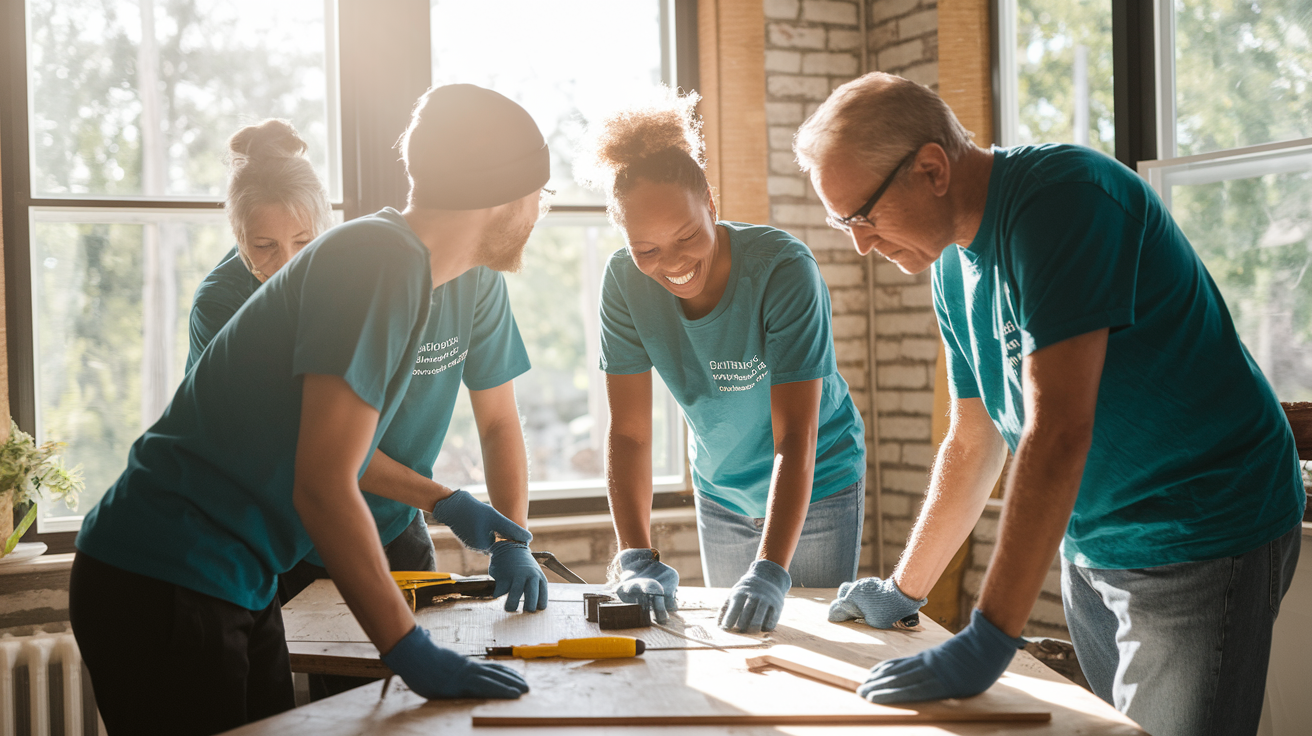
Nonprofit organizations provide critical assistance alongside government programs, often moving faster and offering more personalized service than larger bureaucratic systems.
Rebuilding Together operates the Veterans at Home program, which offers no-cost preventive home modifications and repairs to veterans and military families through local affiliates nationwide. Since 2010, Rebuilding Together has completed over 13,000 veterans rebuild projects. The program works through partnerships with volunteers, corporate partners, and community organizations to provide services that range from minor fixes to whole-home rehabilitation.
Nonprofits use volunteers for labor intensive work while ensuring licensed professionals handle electrical, plumbing, and structural repairs that require permits. This keeps costs down while maintaining safety standards and building codes compliance. Corporate partners often donate materials or fund specific projects, extending the reach of available money. Contractor requirements vary by project complexity, but most nonprofits maintain relationships with vetted professionals who understand the unique demands of working with vulnerable homeowners.
Habitat for Humanity and similar organizations provide rehabilitation projects in addition to their better known new construction work. Local chapters determine their own service areas and eligibility criteria, but most focus on low income families who own their homes and need help with repairs that threaten habitability.
Common nonprofit services include:
- Accessibility modifications like wheelchair ramps and grab bars installation
- Emergency repairs addressing immediate health and safety hazards
- Weatherization services and energy efficiency upgrades
- Roof repair, plumbing issues, and electrical work with licensed professionals
- Reconstruction of community centers and facilities serving veterans
Complete Eligibility Requirements and Income Guidelines

Eligibility determination considers multiple factors, with household income serving as the primary qualifier but not the only consideration programs evaluate when deciding who receives assistance.
| Applicant Category | Typical Income Limit | Special Considerations | Additional Requirements |
|---|---|---|---|
| Low-income families | 80-100% AMI | Household size adjustments | Proof of ownership, tax returns |
| Senior citizens | 80-150% AMI | Age 62+, aging-in-place needs | Property value limits, occupancy |
| Disabled individuals | 80-150% AMI | Accessibility modification priority | Disability documentation |
| Veterans | Varies, some no-cost | Service-connected disability priority | DD-214 or military service proof |
| Aging homeowners | 100-150% AMI | Safety and accessibility focus | Age documentation, income verification |
| General homeowners | 80% AMI | Critical repairs only | Standard documentation package |
Income limits function as the primary eligibility factor, with programs setting thresholds at various percentages of Area Median Income depending on their funding source and program goals. A household at 80% AMI might qualify for basic programs, while those at 100% to 150% AMI could access programs specifically designed for moderate income homeowners facing unexpected financial hardship. Household size directly affects these calculations. A single person and a family of five at the same income level fall into different qualification categories because AMI adjustments account for how many people that income must support.
Special population priorities reflect the reality that certain groups face steeper challenges maintaining safe housing. Senior citizens and aging homeowners often live on fixed incomes and struggle with repairs that younger homeowners handle themselves. About 1.5 million veterans live below the federal poverty level, and 61% of older veterans in poverty have a disability. Over 38% of post 9/11 veterans return home with service connected disabilities that create accessibility challenges in houses built for able bodied occupants. Approximately 18 million Americans are veterans, with 75.6% being homeowners. Programs targeting these populations recognize that military families and disabled individuals shouldn’t face housing instability because of service to their country or physical limitations.
Additional eligibility factors go beyond income and population category. Property value limits prevent assistance from flowing to homeowners with significant equity who could potentially secure private financing. Proof of ownership and title verification confirm you legally own the property and can authorize repairs. Financial hardship certification, required for COVID-19 related programs, demonstrates that specific events after January 21, 2020, impacted your ability to maintain your home. Grantees verify household composition, ensuring the number of occupants matches what you report and confirming the property serves as your primary residence rather than an investment property.
Application Process and Documentation Required

Application routes vary by program, but nearly all require working through an intermediary organization rather than applying directly to the funding source. Timelines stretch longer than most homeowners expect, with processing taking weeks or months even before work begins.
The path forward starts with identifying which local grantee organizations serve your area and what programs they currently operate. Wait times reflect both application processing and actual funding availability, so starting early matters.
Complete application steps:
-
Contact local grantee organizations or state housing agencies to determine which programs serve your area and whether they’re currently accepting applications.
-
Gather documentation required including proof of ownership (deed or title), recent tax returns (usually last two years), income verification for all household members, property assessment or recent tax bill, and photo identification for all adults in the household.
-
Complete the application form with assistance from the grantee’s staff, who can clarify confusing questions and ensure you provide all necessary information upfront.
-
Submit supporting documents along with your application, keeping copies of everything for your records.
-
Cooperate with title verification and any additional investigation the grantee needs to confirm eligibility.
-
Wait for approval notification, understanding that approval timeline varies widely based on program demand, funding availability, and application completeness.
Application assistance resources exist precisely because the process can overwhelm people who haven’t navigated government funded programs before. Local grantees typically offer help completing forms and gathering documents. Being placed on a waiting list doesn’t guarantee you’ll receive assistance, as programs often close waitlists when they exceed reasonable funding projections. Application deadlines matter for competitive programs that award funds in cycles, but many programs operate on a rolling basis until funds are exhausted for that budget year.
Covered Repairs: Critical Systems and Accessibility Improvements
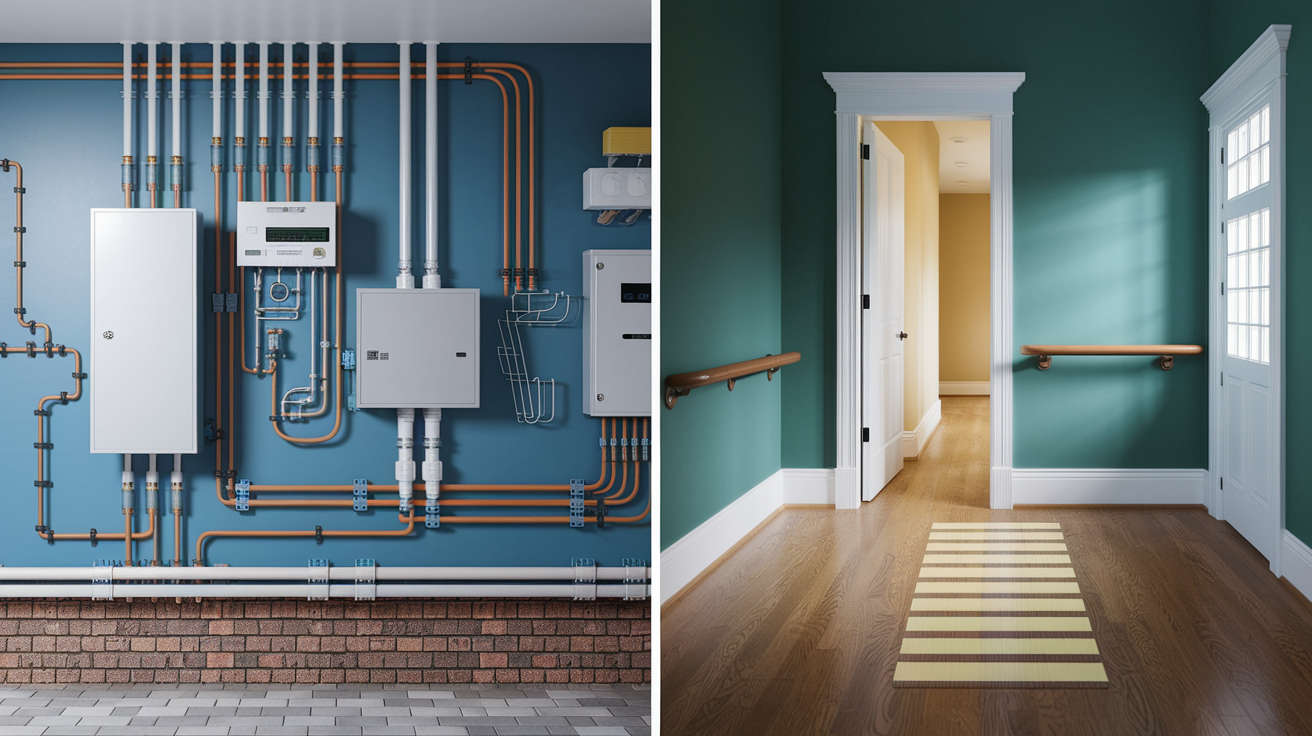
Programs prioritize health and safety hazards, critical repairs that affect habitability, and modifications that help people age in place safely. Cosmetic improvements and luxury upgrades fall outside what assistance programs fund.
Most homeowners discover that programs focus on what makes a house safe and functional rather than what makes it attractive or modern. Understanding Common Home Repairs That Save Money helps you identify which issues to prioritize before applying for assistance.
Covered repairs typically include:
- Emergency repairs addressing immediate dangers like gas leaks or structural collapse risk
- Roof repair including replacement when damage threatens interior spaces
- Plumbing issues affecting water supply, drainage, or sewage systems
- Electrical work bringing systems to building codes and eliminating fire hazards
- Structural damage to foundations, load bearing walls, or floor systems
- Foundation problems causing settlement, water intrusion, or instability
- Weatherization services sealing air leaks and reducing energy waste
- Energy efficiency upgrades to heating, cooling, and water heating systems
- HVAC system replacement when existing equipment fails or creates carbon monoxide danger
- Lead paint removal in homes built before 1978, especially where children live
- Asbestos abatement when renovations disturb materials containing asbestos
- Building codes compliance work bringing older homes up to minimum safety standards
Accessibility modifications receive special attention in programs serving disabled individuals, aging homeowners, and veterans with service connected disabilities. These include wheelchair ramps providing level entry without stairs, grab bars installation in bathrooms to prevent falls, bathroom modifications widening doorways and creating roll in showers, doorway widening throughout the home to accommodate wheelchairs and walkers, and kitchen modifications lowering counters and appliances to accessible heights. Emergency Home Repair: When to Call for Help covers situations requiring immediate attention regardless of funding approval timelines. Home accessibility modifications help veterans and military families remain independent in their own homes rather than moving to assisted living facilities.
Ineligible improvements include cosmetic upgrades like new flooring or paint when existing surfaces remain functional, luxury features such as high end fixtures or premium materials beyond standard replacement quality, landscaping and yard work unless required for drainage or accessibility, swimming pools and recreational amenities, and non-essential property improvements that increase value without addressing health or safety concerns.
Funding Amounts, Loan Terms, and Repayment Options

Financial assistance structures vary considerably depending on the program’s funding source and policy goals. Understanding these different approaches helps you plan which programs make sense for your situation.
Grant programs provide the most favorable terms since you never repay the assistance. Illinois HAFHR provides grants up to $60,000 per household for critical home repairs, representing the higher end of maximum grant amounts available through state programs. Other programs cap assistance at $10,000, $25,000, or other limits based on available funding and average repair costs in that region. Grants sometimes carry restrictions about selling the property within a specified period, but they don’t create ongoing payment obligations.
Forgivable loans blur the line between loans and grants. You sign loan documents when receiving assistance, but the loan forgives over time if you meet certain conditions. HAFHR grants carry a 3 year forgivable recapture agreement, meaning if you sell or stop using the home as your primary residence within three years, you must repay some or all of the assistance on a sliding scale. Stay the full three years and the entire amount converts to a grant. This structure ensures assistance benefits homeowners who genuinely need it rather than people planning to quickly sell.
Deferred payment loans and zero percent interest options don’t require monthly payments but do create a lien on your property that must be satisfied when you sell or refinance. The assistance sits quietly on your title, costing you nothing in the meantime but ensuring repayment eventually. Zero percent interest means you only repay the principal amount borrowed, never growing larger than the original assistance. These repayment terms work well for homeowners who plan to stay long term, as the repairs increase property value while creating minimal financial burden until you’re ready to move anyway.
Key financial terms to understand:
- Recapture periods define how long you must remain in the home before forgiveness occurs
- Lien position determines whether the assistance gets repaid before or after your mortgage during sale
- Maximum grant amounts cap how much you can receive regardless of total repair costs
- Matching funds requirements, when present, mean you must contribute a portion of repair costs yourself
Contractor Requirements, Inspections, and Code Compliance

Quality assurance measures protect homeowners from shoddy work and ensure public funds result in repairs that truly improve housing conditions. Programs build multiple checkpoints into the repair process.
Contractor requirements ensure licensed professionals perform work requiring specialized skills or permits. Electricians must hold current licenses. Plumbers need proper credentials and insurance. General contractors working on structural repairs must meet minimum qualification standards that vary by state. Programs maintain lists of approved contractors who understand the documentation requirements and inspection processes that come with publicly funded repairs. Some allow homeowners to suggest contractors if those professionals meet program standards and agree to required oversight.
The inspection process and permit requirements mirror what happens with any properly executed home improvement project, just with added verification that program money was spent appropriately. An inspector evaluates the home before work begins, documenting existing conditions and confirming the scope of repairs addresses real needs. Permit requirements follow local building department rules, with the contractor pulling necessary permits and scheduling mandated inspections at rough in and completion stages. A final program inspection verifies all work was completed as approved and meets code compliance standards.
Habitability standards and building codes enforcement ensure homeowners receive repairs that make homes genuinely safe rather than just slightly better than before. Local building codes establish minimum standards for structural integrity, fire safety, electrical capacity, plumbing function, and ventilation. Work funded through assistance programs must bring affected systems up to current code, not just patch them to limp along a bit longer. This requirement sometimes increases repair costs but results in truly functional systems that won’t require additional work in the immediate future.
Program Limitations, Wait Times, and Funding Challenges

Demand exceeds funding availability across most assistance programs, creating frustration for homeowners who qualify but must wait months or years for help.
The reality is that far more eligible homeowners need assistance than any program can serve with available funding. Demand for HRAP far exceeds what Illinois can provide, with most grantees maintaining substantial waitlists. Some programs close their waitlists entirely when they grow too long, preventing even the ability to get in line. New applicants in high demand areas sometimes face the discouraging news that no program is currently accepting applications.
Waiting lists function as planning tools for program administrators but offer limited comfort to homeowners facing immediate repair needs. Typical approval timelines range from 30 days in the fastest moving programs to 18 months or longer for popular programs in urban areas. Even after approval, scheduling contractors and completing work adds more time. Application deadlines matter primarily for competitive programs that award funds in annual cycles, where missing the cutoff means waiting another full year for the next funding round. Many rolling programs simply process applications in the order received until that year’s funding is committed.
Program limitations beyond just money include funding caps that may not cover all needed repairs, geographic restrictions that exclude some communities, building type limitations that sometimes exclude manufactured homes or properties with certain characteristics, and seasonal shutdowns where programs pause accepting applications or scheduling work during winter months. Annual budget cycles mean programs often run out of money before the fiscal year ends, then restart with fresh funding on a set date.
You should manage expectations by understanding that approval isn’t immediate and doesn’t guarantee rapid completion of repairs. Exploring multiple programs simultaneously makes sense, as you might qualify for a veterans program, a senior program, and a general low income program all at once. Apply to whichever accepts applications first, but keep other options open. Being placed on a grantee waitlist does not guarantee you’ll receive assistance, so continue pursuing alternatives rather than assuming you’ll eventually receive help from that particular program.
Contact Information and Resources for Assistance Programs
Locating local program administrators starts the process of securing assistance, as nearly all programs require working through regional or community organizations rather than applying directly to funding sources. Your local grantee organization becomes your primary point of contact throughout the application and repair process.
Finding the right contacts depends on which programs operate in your area and which populations they serve. Start by calling your state housing agency, then narrow down to organizations serving your specific city or county.
Key resources for finding assistance:
- State housing agencies serve as the central clearinghouse for information about all programs operating in your state (Illinois homeowners call IHDA at 312-836-5200 during office hours, 8:30 a.m. to 5:00 p.m., TDD 866-324-4431)
- Local government offices including community development departments operate CDBG funded repair programs and can direct you to other resources in your municipality
- Nonprofit organizations like Rebuilding Together operate through local affiliates across the country, so search for the chapter serving your community
- Housing counseling services approved by HUD provide free guidance on navigating assistance programs and understanding your options
- Online portals for approved partners (Kentucky uses HCA Partner Agency Portal) allow nonprofits to access program information and application materials
- County aging services offices maintain information about programs specifically serving senior citizens and aging homeowners in your area
Final Words
Multiple home repair assistance programs exist to help when major repairs feel out of reach.
Federal programs like USDA Section 504 and CDBG funding work alongside state initiatives such as Illinois HAFHR and nonprofit organizations like Rebuilding Together. Each offers pathways for eligible homeowners to address critical repairs, from structural damage to accessibility modifications.
Start by contacting your local grantee organization to understand eligibility requirements, maximum grant amounts, and current waiting lists.
Yes, demand often exceeds funding availability. But getting on the list is the first step toward restoring safety and comfort in your home.
FAQ
What should you do when you can’t afford home repairs?
When you can’t afford home repairs, you should explore federal, state, and nonprofit assistance programs that offer grants, forgivable loans, or no-cost repairs based on income and eligibility. Contact your state housing agency or local nonprofits like Rebuilding Together to identify available resources in your area.
What is the Florida $10,000 grant for homeowners?
The Florida $10,000 grant for homeowners typically refers to state-administered home repair assistance programs that provide financial help for critical repairs, though specific programs, amounts, and eligibility vary by county and available funding. Contact your local county housing department or Florida Housing Finance Corporation for current program availability and requirements.
How can you get money to make home repairs?
You can get money to make home repairs through federal programs like USDA Section 504 loans and HUD-funded initiatives, state housing authority grants, or nonprofit organizations like Habitat for Humanity and Rebuilding Together. Most programs require applying through local grantee organizations and meeting income limits, typically 80-150% of Area Median Income based on household size.