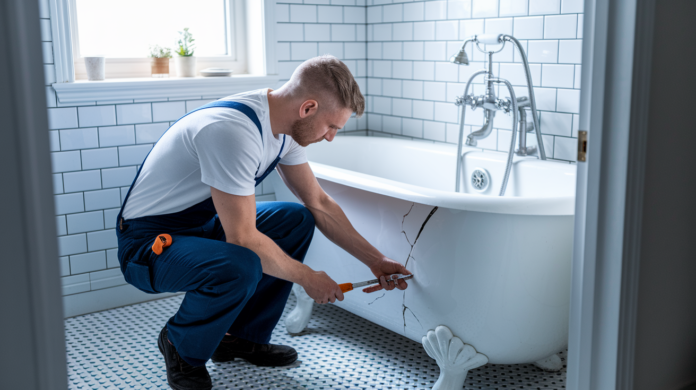

Ever notice how a damaged bathtub can turn your entire bathroom into a stress zone? That crack you’ve been ignoring isn’t just ugly. It’s letting water seep where it shouldn’t, and the longer you wait, the worse it gets. Professional tub repair companies fix cracks, chips, leaks, and worn surfaces right where they sit, usually in 2 days or less. They’ll send you a quote based on photos, show up on time, and leave your tub working like new. No demolition, no plumbing chaos, and no weeks of disruption.
Professional Bathtub Repair Services: What Companies Offer and How to Find Them
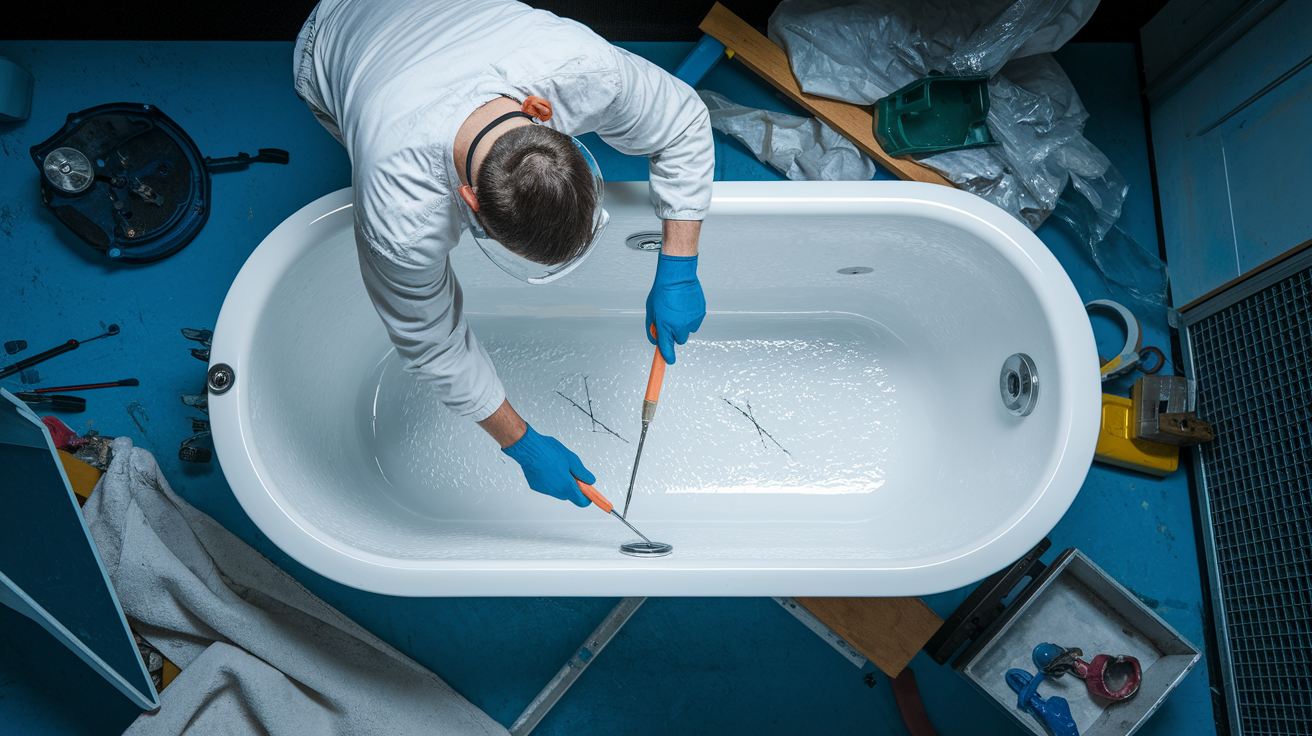
Professional tub repair companies fix stress cracks, structural damage, and leaks in fiberglass tubs and showers without tearing everything out. They handle chips, cracks, holes, missing or moldy grout, rust spots, damaged tile, and low spots in bathtub or shower pans. Local companies like Miracle Method of Boulder cover Boulder, Fort Collins, Loveland, Greeley, Broomfield, Arvada, Westminster, Thornton, Brighton, Northglenn, and Lafayette. Colorado Tub Repair works throughout the Denver region. Most companies give phone estimates when you send photos and offer free on-site estimates for bigger projects.
Professional bathtub repair saves up to 75% compared to replacement costs. Most repairs finish within 2 days. Refinishing projects take 2 to 3 days. Companies usually offer phone estimates when you provide clear photos of the damage. Free on-site estimates are standard for larger jobs. Pricing is typically transparent with no hidden costs, though the final quote depends on damage severity, tub material, and repair complexity.
Licensed technicians work on damaged bathtubs right where they sit, handling both cosmetic surface issues and structural damage. They can rebuild tub or shower bottoms damaged by flexing using fiberglass cloth and resin, making them stronger than new. Professional repair services work on fiberglass, acrylic, porcelain enamel, and cast iron.
Common repair services include surface crack repair for hairline stress cracks and spider cracks around drains, structural crack repair using fiberglass reinforcement and resin bonding, chip repair with color matched filler and surface blending, leak sealing for fixtures and drain connections, color restoration and refinishing for faded surfaces, bottom rebuilding using fiberglass cloth and resin for flexing damage, grout repair and replacement for deteriorated tile surrounds, and rust spot treatment.
Companies assess damage before starting work and schedule around your availability, including evenings or weekends when regular hours don’t work.
Types of Bathtub Materials and Repair Approaches

Your bathtub material determines which repair techniques will work and affects pricing, so identifying it correctly saves time and helps you understand what’s actually possible.
Fiberglass tubs develop stress cracks from flexing and structural cracks from impacts. Professional companies rebuild damaged bottoms using fiberglass cloth and resin, creating a repair stronger than the original. They address the flexibility issues that caused the damage by reinforcing weak areas.
Acrylic bathtubs scratch more easily than other materials but respond well to chip repair and surface restoration. Repair companies use specialized bonding agents and color matching systems designed specifically for acrylic. Most scratches can be buffed out during refinishing.
Porcelain enamel on steel or cast iron requires different methods. Chips expose the metal underneath, which rusts if left untreated. Professional services clean the exposed metal, apply rust inhibiting primer, and rebuild the porcelain coating using epoxy based filler materials that bond to both the metal base and surrounding enamel.
Cast iron tubs with heavily worn porcelain coatings are good candidates for full refinishing rather than spot repairs. The reglazing process restores the entire surface to like new condition and can last 10 to 15 years with proper care.
Experienced professionals should identify your tub material during inspection and recommend the right repair method, explaining why certain techniques work better for your specific situation.
Repair Costs and Pricing Factors for Bathtub Services

Professional tub repair typically saves up to 75% compared to full replacement, which can run several thousand dollars when you factor in demolition, plumbing work, and bathroom reconstruction. That same savings applies when comparing professional fixes to failed DIY attempts that require correction. Customers consistently mention reasonable pricing and savings of thousands of dollars versus replacement or redoing botched home repairs.
Several factors affect final pricing. Damage severity matters most. A small surface chip costs far less than rebuilding a cracked tub bottom with fiberglass reinforcement. Tub material influences pricing because different materials require specialized products and techniques. Repair type separates into cosmetic work like chips and refinishing versus structural repairs like leak sealing and bottom rebuilding. The size of the damaged area and whether multiple problems need addressing in one visit also affect the total cost.
Most companies offer free estimates and phone quotes when you provide clear photos. Transparent pricing means you know exactly what you’re paying before work begins, covering materials, labor, and warranty.
| Repair Type | Typical Cost Range | Replacement Cost Comparison | DIY Kit Comparison |
|---|---|---|---|
| Chip Repair | $150–$300 | Saves $2,500–$4,000 | DIY kits $30–$60 (often fail) |
| Crack Repair | $250–$500 | Saves $2,500–$4,000 | DIY epoxy $40–$80 (temporary fix) |
| Full Refinishing | $400–$650 | Saves $2,000–$3,500 | DIY kits $100–$200 (poor durability) |
| Bottom Rebuilding | $600–$1,000 | Saves $2,500–$4,500 | Not feasible as DIY |
| Leak Repair | $200–$450 | Saves $2,500–$4,000 | Temporary sealants $15–$40 |
Getting multiple quotes helps you understand market pricing in your area and lets you compare what’s included. Warranty coverage, prep work, materials quality, labor, and curing time all matter. Keep in mind that DIY failures often increase professional repair costs later because technicians have to remove failed products before applying proper fixes.
Professional Refinishing vs Reglazing Process Explained
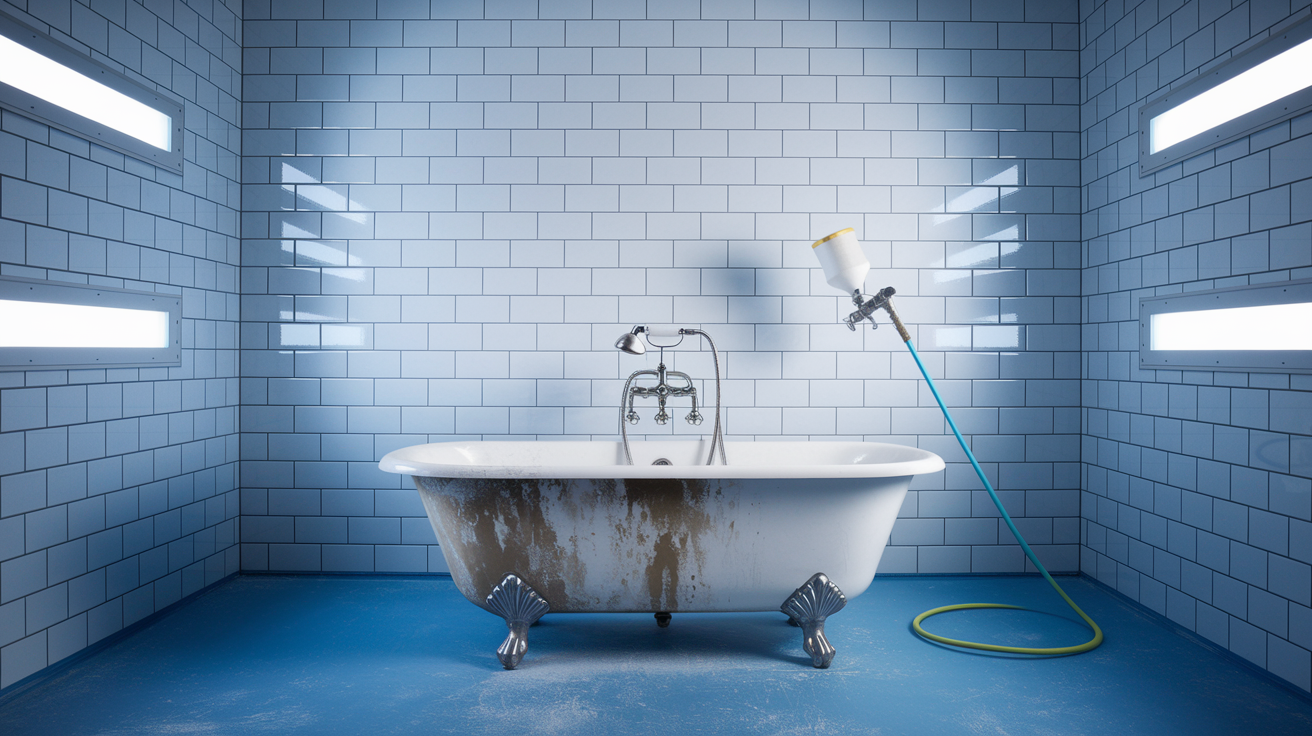
Refinishing and reglazing are often used interchangeably in the bathtub repair industry, though some companies distinguish between them based on specific coating systems. Both processes restore a worn, damaged, or discolored tub surface to like new condition.
The process starts with thorough surface cleaning and chemical etching to remove soap scum, body oils, and old coatings. Technicians then apply a bonding primer that creates a chemical bond between the old surface and new coating layers. Multiple coating layers follow, building up a durable finish. The final topcoat provides the color and protective surface. The entire refinishing process takes 2 to 3 days, with most of that time devoted to curing rather than active work.
Professional grade materials outperform DIY kits by a wide margin. Companies use industrial epoxy or polyurethane coatings with chemical bonding agents designed specifically for high moisture environments. These materials bond at the molecular level and resist chipping, peeling, and yellowing far better than consumer products. Professional spray application creates a smoother, more uniform finish than brush on DIY kits, which often show streaks and brush marks.
Finish options include solid colors in white, almond, and other standard shades, plus custom color matching and Natural Accents stone look patterns. Professional refinishing requires a 24 hour cure time before the tub can be used, significantly faster than the 5 day cure time typical with DIY products.
Questions to Ask Before Hiring a Bathtub Repair Company

Asking the right questions upfront prevents surprises and helps identify the most qualified company for the job, especially when you’re comparing multiple estimates.
Are you licensed, bonded, and insured, and can you provide proof of current coverage? How many years of experience do you have repairing my specific tub material? What warranty do you offer on repairs and refinishing, and what does it cover? What’s the estimated timeline from start to finish, including cure time before I can use the tub? Can you provide a detailed written cost breakdown showing materials, labor, and any additional fees?
What’s your payment structure? Can I see your portfolio of before and after photos from similar repair projects? Can you provide references from recent customers with comparable repairs? What specific products and materials will you use, including brand names and product specifications? How long is the cure time, and what precautions do I need to take during that period?
What’s included in your service? How do you handle callbacks or issues that arise after the repair is complete?
Reputable companies will answer all questions transparently and provide this information willingly, often before you even ask. Evasive answers, pressure to sign immediately, or reluctance to provide written estimates are red flags worth paying attention to.
Finding Qualified Local Bathtub Repair Companies

Choosing local companies familiar with regional building codes means they can provide follow up service if needed without long travel delays. Local tub repair companies understand climate specific issues, like how Colorado’s dry air affects curing times or how humidity in other regions impacts mold prevention. They’re also more likely to have established reputations you can verify through community references.
Look for specific credentials when vetting professional contractors. Current state licensing demonstrates minimum competency standards and legal operation. General liability insurance and workers’ compensation coverage protect you from liability if accidents occur. Manufacturer certifications for specific repair systems or coating products show advanced training. Years in business and documented technician training programs indicate stability and knowledge transfer. Customer reviews mentioning quality workmanship and professional service reveal how companies actually perform.
Search online for “bathtub repair near me” or “[your city] tub refinishing services” and note companies with consistent service areas. Check that companies specifically list your area in their service zones. Some travel farther for larger projects but charge more. Read customer reviews on multiple platforms, looking for patterns in comments about quality, professionalism, pricing, and results.
Verify credentials by checking licensing databases, insurance certificates, and Better Business Bureau ratings. Request references from recent customers with similar repair needs and actually call them. Get estimates from at least three companies to compare pricing, included services, and warranty terms.
Ask about response time for initial consultations, how far out they’re scheduling work, and whether they offer same day or emergency service for urgent problems like active leaks.
Emergency and Same Day Bathtub Repair Options

Emergency bathtub repairs address situations that cause immediate damage or safety hazards rather than cosmetic issues that can wait. Active leaks flooding the bathroom or seeping into floors and ceilings below require rapid response to prevent structural water damage and mold growth.
Some companies offer same day assessment and rapid response for urgent situations, though availability depends on their current schedule and technician locations. Many can at least provide a temporary fix to stop water damage while scheduling a permanent repair within 2 days. Companies offering emergency services typically publish dedicated phone lines for after hours calls.
Emergency service often carries premium pricing for after hours, weekend, or holiday calls, typically 25% to 50% above standard rates. That premium pays for immediate response rather than waiting days for a regular appointment. For serious leaks or safety hazards, the extra cost is justified by preventing thousands of dollars in water damage.
Situations requiring emergency bathtub repair include active leaks from cracks or failed seals that are flooding the bathroom or penetrating to rooms below, floor or ceiling water damage from tub leaks that’s spreading and soaking structural materials, tub structural failure where the bottom is sagging or flexing excessively, safety hazards from sharp crack edges that could cause cuts, especially in homes with children or elderly residents, and flooding risks from drain failures or overflow damage during use.
Repair Company Warranties and Service Guarantees
Typical warranty periods vary by repair type. Chip and crack repairs usually carry 1 to 3 year warranties. Full refinishing services typically include 3 to 5 year warranties on the coating. Structural repairs like bottom rebuilding often come with 5 year or longer warranties because the fiberglass reinforcement creates a repair stronger than the original construction. Always verify warranty length in writing before work begins.
Warranties typically cover defects in materials or workmanship. Peeling, bubbling, discoloration, or coating failure under normal use conditions. They exclude damage from normal wear and tear, improper cleaning with harsh chemicals or abrasive tools, impact damage from dropped objects, and new unrelated damage that occurs after the repair. Some warranties are prorated, reducing coverage percentage annually.
Following maintenance guidelines preserves warranty coverage. Companies provide specific care instructions about approved cleaning products, avoiding abrasive scrubbers, preventing standing water, and addressing minor issues quickly. Using harsh chemical drain cleaners or abrasive powders can void warranties because they damage the refinished surface. Documentation of proper maintenance may be required for warranty claims.
Get warranty details in writing before work begins. Exactly what’s covered, exclusion specifics, the claims process, response timeframes, and whether the warranty is transferable if you sell the home. Understand the follow up service policy, whether the company provides free touch up repairs during the warranty period and how quickly they’ll respond to legitimate warranty issues.
Common Bathtub Problems and Repair Solutions
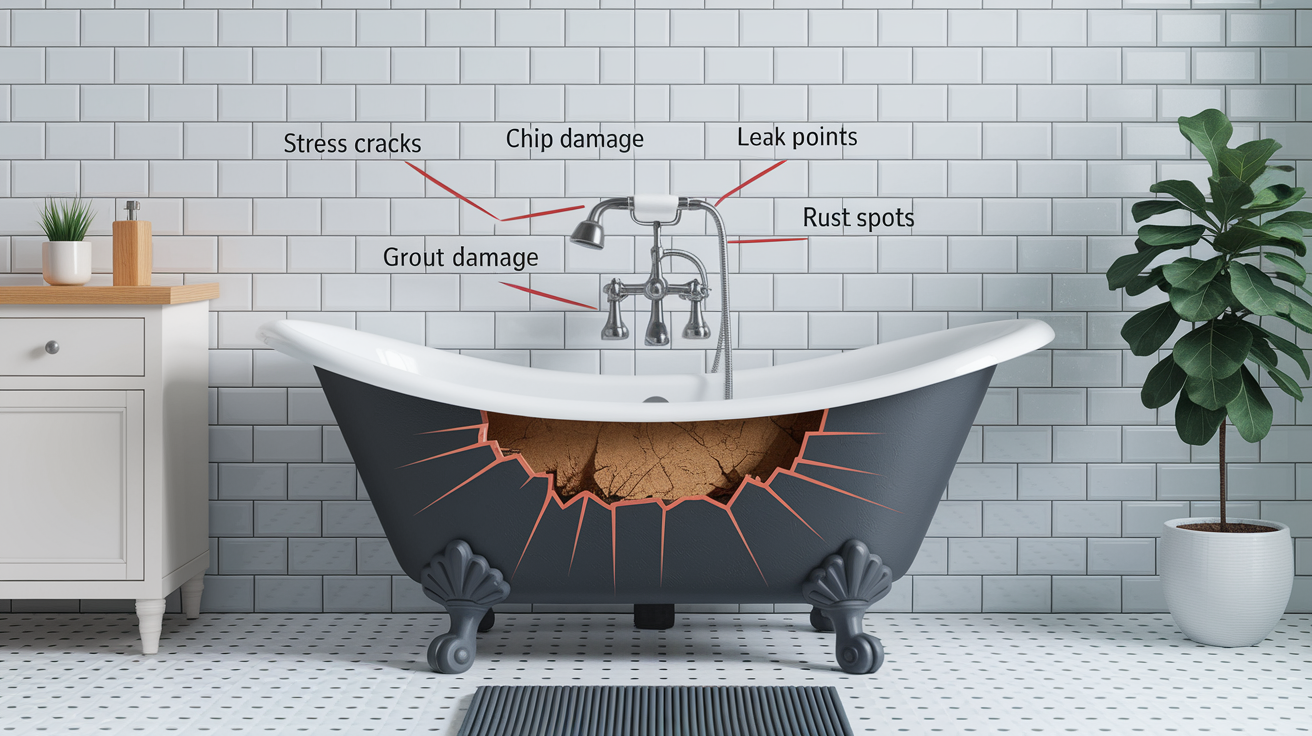
The most frequent bathtub damage types homeowners encounter split between cosmetic issues like discoloration and minor chips versus functional problems like leaks and structural cracks. Stress cracks develop from repeated flexing in fiberglass and acrylic tubs. Structural cracks occur from impacts or improper installation support. Chips happen from dropped objects.
Leaks emerge from failed caulk lines, drain connections, or cracks penetrating the tub body. Discoloration comes from hard water, rust, or coating breakdown. Rust spots appear when porcelain enamel chips expose metal underneath. Grout deterioration allows water penetration behind tile surrounds. Tile damage and holes from removed shower doors create water intrusion points. Shower pan issues include low spots that don’t drain properly and flexing that causes leaks.
Professional assessment identifies underlying problems that DIY homeowners often miss. Water damage behind the tub or in floor joists doesn’t show until technicians inspect access panels or probe soft spots. Structural weaknesses from tub flexing indicate inadequate support underneath that will cause repairs to fail unless addressed. Improper installation issues like missing mortar beds or insufficient framing explain why damage keeps recurring.
Low spots requiring leveling need to be corrected before refinishing, or water will pool and cause coating failure. Companies use specialized techniques like fiberglass cloth and resin for bottom rebuilding that make repairs stronger than new by adding structural reinforcement the original installation lacked.
| Problem Type | Symptoms | Repair Solution |
|---|---|---|
| Surface Cracks | Fine hairline cracks in finish, no flex or leak | Fill with flexible epoxy, sand smooth, refinish area |
| Structural Cracks | Deep cracks through tub body, may leak or flex | Fiberglass reinforcement on underside, epoxy fill, surface refinish |
| Chips | Missing material exposing underlayer, sharp edges | Clean area, apply color matched filler, sand, blend with surrounding surface |
| Leaks | Water escaping tub body, damp spots below, ceiling stains | Locate leak source, seal with appropriate product, reinforce if structural |
| Discoloration | Yellowing, rust stains, faded areas, uneven color | Chemical cleaning, stain removal, full surface refinishing |
| Rust | Orange spots, exposed metal on porcelain chips | Remove rust completely, apply rust inhibiting primer, color matched repair |
| Drain Issues/Spider Cracks | Cracks radiating from drain, slow drainage, visible damage around drain opening | Repair spider cracks, reseal drain connection, reinforce if needed |
| Grout Deterioration | Crumbling grout lines, missing grout, mold in joints | Remove old grout, clean joints, apply new grout, seal properly |
| Shower Pan Damage/Low Spots | Standing water doesn’t drain, soft or flexing floor, sagging areas | Level low spots, reinforce flexing areas, reseal surface |
| Tile Damage/Shower Door Holes | Cracked tiles, missing tiles, holes from removed hardware | Replace damaged tiles, fill and seal holes, refinish surrounding area |
Residential vs Commercial Bathtub Repair Services

Repair techniques for residential and commercial projects are essentially the same, but the work differs in scheduling requirements, durability expectations, and project volume coordination.
Single home repairs prioritize aesthetic results and homeowner satisfaction. Customers care about color matching their existing bathroom decor and personalized finish options like stone look patterns. Residential jobs allow flexible scheduling around family activities, including evening or weekend appointments when that works better than weekday service. The consultation process involves walking homeowners through options, explaining maintenance requirements, and answering detailed questions about the work. Follow up service and warranty support build long term relationships with residential clients who may need additional repairs or recommend the company to neighbors.
Multi unit efficiency matters more than individual customization. Property managers need consistent results across multiple identical units rather than unique finishes. Commercial clients coordinate work around tenant turnover schedules, often requiring tight timelines between move out and move in dates. Durability takes priority over aesthetics. Apartment tubs must withstand heavy use and quick turnover cleaning.
Quick turnaround is essential, with property managers sometimes needing multiple units completed in one day. Builder and contractor partnerships develop when companies deliver reliable results on consistent timelines. Volume pricing makes sense when repairing or refinishing 10, 20, or 50 identical units in a property.
Experienced companies can handle both types of work and may offer volume discounting for property managers with multiple units needing repair, plus dedicated account management for commercial clients with ongoing needs.
Maintenance Tips After Professional Bathtub Repair
Proper maintenance after professional repair can extend the life of refinishing and repairs for 10 to 15 years, compared to 3 to 5 years with neglectful care or harsh cleaning methods. Following care guidelines also preserves your warranty coverage, since most warranties exclude damage from improper cleaning.
The initial 24 to 48 hour curing period requires special precautions. Don’t use the tub during this time, even if the surface feels dry to the touch. Keep the bathroom well ventilated but avoid excessive humidity from showers in adjacent bathrooms if possible. Don’t place anything on the surface, including bath mats, toiletries, or cleaning supplies. The coating needs this full period to cure properly and develop maximum durability.
Use only non abrasive cleaners designed for refinished surfaces or mild dish soap. Avoid harsh chemicals including bleach, ammonia, abrasive powders, and acidic cleaners that break down coatings. Prevent standing water by wiping the tub dry after each use or ensuring proper drainage. Use bath mats or non slip decals that don’t have suction cups, which can damage refinished surfaces.
Clean with soft sponges or microfiber cloths, never abrasive scrub pads or steel wool. Address minor damage quickly by contacting the repair company rather than letting problems spread. Avoid suction cup accessories like caddies or grab bars that create concentrated stress points. Maintain proper ventilation to prevent moisture buildup that promotes mold and coating breakdown. Inspect regularly for early signs of damage like small chips, cracks, or peeling edges.
Following the company’s specific care instructions preserves warranty coverage and ensures you can make legitimate warranty claims if problems develop. Contact the repair company for minor touch ups rather than attempting DIY fixes, which can make problems worse and void your warranty. Professional touch ups blend properly with the existing finish, while DIY attempts often create visible patches or damage surrounding areas.
How to Schedule and Prepare for Bathtub Repair Service
Understanding the scheduling and preparation process reduces stress and ensures efficient service completion without unexpected delays or complications.
Make initial contact with the repair company and send clear photos of the damage from multiple angles in good lighting. Receive an estimate or quote, either by phone if photos are sufficient or through a free on site visit for complex repairs. Schedule a convenient time that works for your household schedule and allows for cure time when you won’t need that bathroom.
Prepare the bathroom area by removing toiletries, shower curtains, bath mats, and personal items from surfaces. Ensure ventilation access by confirming windows open properly or exhaust fans work, since strong odors occur during coating application. Coordinate household schedule around cure time, arranging alternative bathroom access for 24 to 48 hours and keeping children and pets away from the area. Complete final walkthrough with the technician to review the work, confirm warranty details, discuss maintenance requirements, and process payment.
Before technicians arrive, clear bathroom counters and the area immediately surrounding the tub to give them working space. Make sure you know where water shutoffs are located in case they’re needed. Arrange alternative bathroom access during the repair and cure time, whether that’s using another bathroom in your home or coordinating with neighbors if you only have one bathroom. Consider pet and child safety by planning how you’ll keep them out of the bathroom during and after the work. Prepare any specific questions about warranty coverage, maintenance products, and when you can resume normal use.
Typical service duration ranges from 2 to 4 hours for most repairs, though complex structural work can take longer. Expect some noise from power tools during surface preparation and ventilation fans running during and after coating application. Odors from chemical cleaners and coating materials will be noticeable during the work and for several hours afterward, which is why ventilation is important. Keep windows open and fans running as the technicians recommend.
Final Words
A qualified tub repair company can restore your damaged bathtub without the cost and disruption of full replacement. Most repairs wrap up in 2-3 days, save up to 75% versus tearing out the old tub, and come with warranties that protect your investment.
Whether you’re dealing with cracks, chips, leaks, or worn surfaces, professional technicians have the tools and training to fix it in place.
Get a few free estimates, ask about their work on your specific tub material, and check references before you commit. Then you’ll have a bathtub that works like it should.
FAQ
Q: How much does bathtub repair typically cost?
A: Bathtub repair typically costs significantly less than replacement, saving up to 75% compared to installing a new tub. Most companies offer free on-site estimates or phone quotes when you share photos of the damage.
Q: Is it cheaper to repair or replace a bathtub?
A: It is cheaper to repair a bathtub in most cases, with professional repairs saving homeowners up to 75% compared to full replacement costs. Repair also avoids the additional expenses of tile work, plumbing modifications, and bathroom downtime.
Q: Can a crack in a fiberglass tub be repaired?
A: A crack in a fiberglass tub can be repaired by professional companies using fiberglass cloth and resin, which rebuilds damaged areas and makes them stronger than the original construction. Both stress cracks and structural cracks are repairable without replacing the entire tub.
Q: Can a plumber fix a cracked bathtub?
A: A plumber can address leaks from a cracked bathtub, but specialized bathtub repair companies handle the actual crack repair, refinishing, and structural restoration using techniques like resin bonding and fiberglass rebuilding. Licensed bathtub repair technicians are trained specifically for surface and structural tub damage.
Q: What services do professional bathtub repair companies offer?
A: Professional bathtub repair companies offer crack and chip repair, leak fixes, refinishing, reglazing, grout repair, rust treatment, tile repair, bottom rebuilding, and drain area restoration. Most complete repairs within 2-3 days without removing your existing fixture.
Q: How long does professional bathtub refinishing take?
A: Professional bathtub refinishing takes 2-3 days from start to finish, including a 24-hour cure time before the tub can be used. This is significantly faster than DIY refinishing kits that require 5-day cure periods.
Q: What’s the difference between bathtub refinishing and reglazing?
A: Bathtub refinishing and reglazing are often used interchangeably and describe the process of restoring the tub’s surface with new coatings. Both involve surface preparation, primer application, coating layers, and a protective topcoat finish with similar curing requirements.
Q: How do I find a qualified local bathtub repair company?
A: To find a qualified local bathtub repair company, search for licensed technicians in your service area, check customer reviews, verify insurance and certifications, request before-and-after photos, and get multiple free estimates. Ask for references from recent residential projects similar to yours.
Q: Do bathtub repair companies offer warranties?
A: Bathtub repair companies typically offer warranties on their work, with coverage periods varying by repair type. Get warranty details in writing before work begins, and understand what’s covered versus excluded, plus any maintenance requirements to keep the warranty valid.
Q: What questions should I ask before hiring a bathtub repair company?
A: Before hiring a bathtub repair company, ask about licensing and insurance, experience with your specific tub material, warranty terms, detailed cost breakdown, estimated timeline, payment structure, portfolio of past work, and what’s included in the service price.
Q: Can bathtub repairs be done without removing the tub?
A: Bathtub repairs can be done without removing the tub, as professional companies perform in-place restoration for cracks, chips, leaks, refinishing, and even structural bottom rebuilding. This saves significant time and avoids the cost of tile and plumbing work.
Q: What bathtub materials can be professionally repaired?
A: Professional bathtub repair works on fiberglass, acrylic, porcelain enamel, and cast iron tubs, with each material requiring specific repair techniques. Experienced technicians can identify your tub material during inspection and recommend the appropriate repair method.
Q: Are same-day bathtub repairs available for emergencies?
A: Same-day bathtub repairs are available from some companies for emergencies like active leaks, structural failures, or water damage situations. Contact repair companies directly by phone to discuss urgent scheduling, though emergency service may include premium pricing.
Q: How should I maintain my bathtub after professional repair?
A: After professional bathtub repair, use non-abrasive cleaners, avoid harsh chemicals, prevent standing water, use bath mats to prevent scratches, ensure proper ventilation, and address minor damage quickly. Following care guidelines preserves warranty coverage and extends repair lifespan to 10-15 years.
Q: Do repair companies serve both homes and commercial properties?
A: Repair companies serve both residential homes and commercial properties including rental units, hotels, and multi-family buildings. Companies work with homeowners, builders, property managers, and general contractors, often offering volume discounting for multi-unit projects.